
The digital landscape of 2026 presents a fascinating paradox: the same software WordPress powering a local freelancer’s portfolio is also the engine behind Fortune 500 media giants. This versatility isn’t a coincidence; it is the result of a modular architecture that prioritizes long-term growth over short-term convenience. Whether you are a lean startup or a massive enterprise, the “scalability secret” lies in three core pillars: ownership, integration, and performance.
1. The Power of Absolute Ownership with WordPress
For a small business, the initial appeal of “all-in-one” website builders is simplicity. However, many entrepreneurs quickly hit a “glass ceiling” where they cannot customize a specific checkout flow or add a niche membership portal without expensive upgrades. Using an open-source framework ensures that you own your database and your code.

Global enterprises choose this route for the same reason—data sovereignty. In an era of strict privacy regulations l having total control over where data is stored and how it is encrypted is a non-negotiable requirement. You aren’t “renting” your digital space; you are building on a foundation that you can move, modify, or multiply at will.

2. A Modular Ecosystem that Grows With You
The genius of a “block-based” system is its ability to evolve. A startup might begin with a basic five-page site to establish a professional presence. As they grow, they don’t need to rebuild from scratch. They can seamlessly add:
-
Advanced E-commerce: Utilizing tools like WordPress WooCommerce to handle thousands of transactions.
-
CRM Syncing: Connecting directly with HubSpot or Salesforce to manage leads.
-
Multilingual Capabilities: Launching regional versions of the site for international expansion.
For large organizations, this modularity allows for a “Multi-site” approach. A single dashboard can manage hundreds of sub-sites for different branches or campaigns, maintaining brand consistency while giving local managers the autonomy they need to update content.
3. High-Performance WordPress Infrastructure
A common myth is that open-source platforms are inherently slower or less secure. In reality, performance is a matter of implementation. By 2026, modern hosting environments—ranging from specialized private clouds to enterprise-grade solutions like WordPress VIP—offer automatic scaling. This means if a startup’s marketing campaign goes viral, the server resources adjust instantly to prevent downtime.
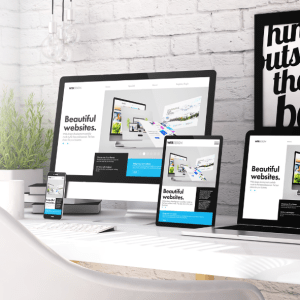
Enterprises leverage this by using a “headless” architecture. They use the familiar backend for content creation but pair it with cutting-edge frontend frameworks (like React or Next.js) to deliver lightning-fast load times. This hybrid approach offers the best of both worlds: a user-friendly interface for the marketing team and top-tier technical performance for the developers.
4. SEO in 2026
Search engines have evolved to prioritize technical health and user intent. Out of the box, this platform provides the clean code and logical structure that search crawlers crave. From granular control over metadata to automatic schema generation, the technical SEO foundation is robust. This allows small businesses to compete for local “commercial intent” searches, while enterprises can dominate high-volume global keywords through sheer content volume and site authority.
Innovative strategies foster rapid development. Advanced analytics empower decision-making, while intuitive interfaces streamline intricate operations. Agile methodologies catalyze progress, ensuring milestones remain achievable. Robust security protocols safeguard sensitive assets. Dynamic ecosystems support collaborative excellence, maximizing efficiency across diverse sectors. Seamlessly integrating modern technology provides significant competitive advantages for every brand.
The reason WordPress remains the dominant choice is that it scales with your strategy, not against it. It offers the agility a startup needs to pivot and the security an enterprise needs to protect its reputation. By choosing a platform that prioritizes flexibility, you ensure that your website remains a powerful business asset three, five, or even ten years down the line.