Website Malware Protection for Small Business Sites
Catch infections early, clean them fast, and keep them out.
The Short Answer
Website malware protection is a set of layers that find, remove and block malicious code on your site. It combines scheduled scanning, malware removal, a web application firewall, patching and monitoring. No single tool covers everything, so the best setup pairs automatic defenses with tested backups and a person who can step in when something slips through.
What website malware protection includes
Scanning and detection
Website malware scanning checks your files and pages on a schedule and flags code that should not be there. Early detection is often the difference between a small cleanup and a long outage.
Malware removal and cleanup
Website malware removal strips known malicious code out of infected files. On some plans this happens automatically. On others you get a report and the fix is up to you.
Firewall and patching
A web application firewall filters hostile traffic before it reaches your pages. Patching closes the known holes attackers scan for. Both cut down how often you need a cleanup at all.
Most small business sites need every piece of website malware protection on this list. Skipping a layer usually moves the risk somewhere else, and attackers tend to find the gap you left. Our cyber security services page explains how we group them: prevent, detect, recover, respond.
- Scheduled scanning of your site files
- Alerts when something changes
- Known malware removed from infected files
- Firewall that blocks hostile requests
- Vulnerability checks on your applications
- Daily backups you can restore yourself
How a website security service works
A good website security service works in a loop. It scans, alerts you, removes what it recognizes, and blocks the traffic that delivered the problem in the first place.
The scanner compares your site against known malware signatures and flags changes. The firewall sits in front of the site. Backups sit behind it, so a bad infection never becomes a lost business.
Strong website malware protection also shows up in small details: how often scans run, how many pages they cover, and whether anyone reviews the alerts. A scan that runs once a quarter finds a problem long after the damage is done.
- Strange redirects to other sites
- Browser or search warnings about your site
- Spammy pages or links you did not add
- Sudden drops in traffic or rankings
- New admin accounts nobody created
- Slow pages and unexplained server load
Signs your site needs malware protection
Infections rarely announce themselves. Attackers inject code that redirects visitors, adds hidden spam links or creates whole new pages. Google groups these as code injection, content injection and URL injection in its Google Search Console Security Issues report documentation.
If you see any item in the list, check your Security Issues report in Search Console, then scan the site before you change anything else. Editing files first can destroy the evidence you need to find the entry point.
Some infections stay quiet for weeks. They wait for search engines or specific visitors, so the owner sees nothing wrong on a normal visit. That is why routine website malware scanning matters more than occasional spot checks.
Website malware protection plans compared
SiteLock Find and Fix
Find is $27.99 per year and covers scanning for up to 25 pages. Fix is $14.99 per month, scans up to 500 pages and removes known malware automatically. See the full SiteLock plan details.
SiteLock Defend
Defend is $49.99 per month. It adds the TrueShield web application firewall, a content delivery network and protection against the OWASP top 10 web app flaws, on top of scanning and removal.
Emergency Response
Already infected? Emergency Response is $239.99 one time and covers seven days of protection. Use it as a short bridge while you decide which ongoing website malware protection to keep. It suits a site that needs help now and a plan afterward.
Prices are as listed on the live SiteLock page today and can change. Agencies and web designers who manage many client sites can look at our reseller hosting plans, where protection comes built in.
What happens during a malware cleanup
Cleanup follows a fixed order. First, confirm the infection and find out which files and accounts were touched. Next, remove the malicious code or restore clean files from a backup, then close the hole that let it in. Finally, test every important page, including forms and checkout.
For a plain website malware removal job, the hard part is rarely deleting the bad file. It is finding the backdoor the attacker left behind. That is why restoring from a known clean backup is often safer than patching an infected site by hand.
Google describes the same steps and adds one more. If search results flagged your site, submit a review request that explains the problem and what you fixed. Google says reviews can take several days or weeks, so speed matters.
- Automatic core, plugin and theme updates
- WAF, DDoS and malware scanning on every plan
- Patchstack vulnerability protection
- Free SSL issued and renewed
- Daily backups with self-service restore
- Account isolation through CloudLinux
WordPress security built into hosting
WordPress security usually fails at the plugin and theme layer. Our WordPress hosting plans apply updates with a visual check before they go live and run Imunify360 for the firewall and scanning.
VPS customers also get a firewall, DDoS protection, free SSL and OS patching on VPS hosting plans. Reseller accounts include Imunify360 malware scanning and cleanup.
How to choose website malware protection
Match website malware protection to risk
A brochure site with a contact form needs scanning and backups. A store that takes payments needs a firewall too. Our WooCommerce hosting and e-commerce pages cover the store side.
Ask who does the cleanup
Some tools only alert you. Ask whether removal is automatic, how many pages are covered, and who helps when automatic removal is not enough. We are a small Tampa team, not a 24/7 monitoring center.
Keep backups outside the site
Removal can miss things. A clean off-site backup lets you roll back safely. Our guide to protecting your business online lists the habits that prevent most incidents.
This is general information. Even the best website malware protection is not a guarantee against every attack, and no vendor can promise one. Pair any tool with strong passwords, multifactor authentication and current software.
Website Malware Protection FAQs
What is website malware protection?
Website malware protection is the combination of scanning, removal, a firewall, patching and monitoring that keeps malicious code off your site. Scanning finds infections, removal cleans known malware, and the firewall blocks hostile traffic. Backups give you a safe way back if cleanup is not enough. Most small sites do not need an enterprise tool, only a consistent routine and someone who watches the alerts.
How do I know if my website has malware?
Look for unexpected redirects, browser or search warnings, spam pages you did not create, new admin users and sudden ranking drops. Google Search Console has a Security Issues report that flags hacked content. If you suspect an infection, scan the site before changing files.
Does website malware scanning remove infections automatically?
Not always. Website malware scanning detects problems, but removal depends on the plan. SiteLock Find scans only. Fix at $14.99 per month removes known malware automatically. Defend at $49.99 per month adds a firewall. Unknown or complex infections can still need manual work.
Is a web application firewall the same as antivirus?
No. A web application firewall filters incoming web requests and blocks attacks like injection attempts before they reach your site. Antivirus looks for malicious files on a device. Websites need the firewall and a scanner for solid website malware protection, and we do not sell antivirus software.
Can hosting alone protect my WordPress site?
Good hosting covers a lot of WordPress security. Our WordPress plans include Imunify360 scanning and firewall, Patchstack, daily backups and automatic updates. You still need to manage passwords, remove unused plugins and use multifactor authentication, because stolen logins bypass most defenses.
How much does website malware removal cost?
SiteLock Fix is $14.99 per month with automatic removal, Defend is $49.99 per month, and Emergency Response is $239.99 one time for seven days. Prices are as listed today and can change. Our WordPress hosting plans include malware scanning and a firewall in the base price.
What should I do first if my site is hacked?
Confirm the problem, then find the affected files and the entry point. Remove the malicious code or restore a clean backup, fix the vulnerability, and test your pages. CISA also recommends changing default credentials and enforcing multifactor authentication. Contact us if you want a second pair of eyes.
Protect your site before it gets hit
Tell us what you run and what worries you. We will point you to the right website malware protection setup, whether that is SiteLock, secure hosting or both. Reading the CISA website security guidance is a good start in the meantime.
If you are moving from another host, our website migration checklist helps you avoid carrying an infection across, and shared web hosting is a low-cost place to start.
Custom Solutions
Take your business to the next level with Liberation's full suite of services & solutions.
Custom Management
Don’t like managing? We offer managed services for hosting, ecommerce, web sites, and more.
Our Promise Of Digital Independence
Liberating Your Digital World Is Our Passion
- U.S.A. owned and based
- We own and control our entire platform
- More security to protect your data
- No Censorship Guarantee
- 100% data ownership
- Your data is NEVER shared
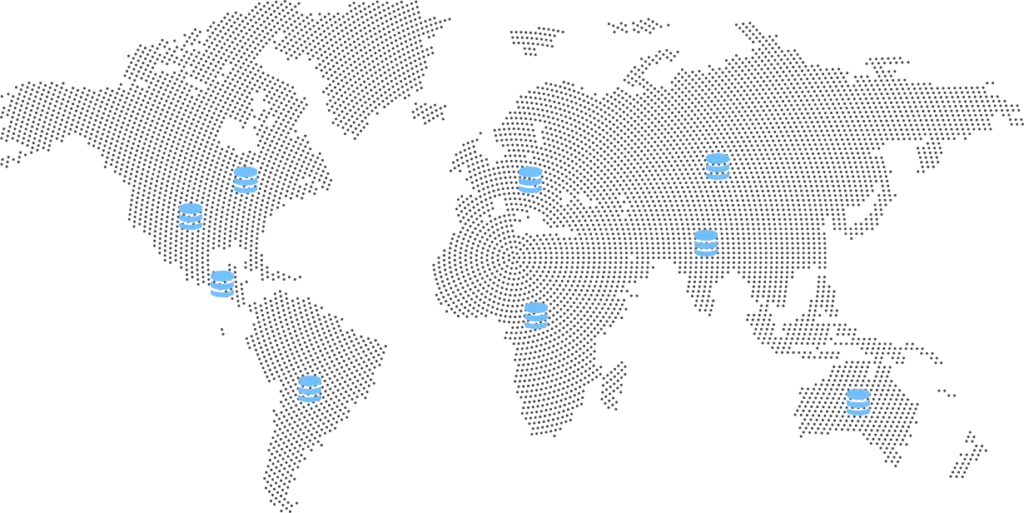
Global Edge Network
Liberation’s global edge network provides enhanced performance & security.
Freedom Tech News
Stay informed on the latest tech news, new products, promotions, & more!