Building a Business Website
Builders, developers, performance and the mistakes that cost customers.
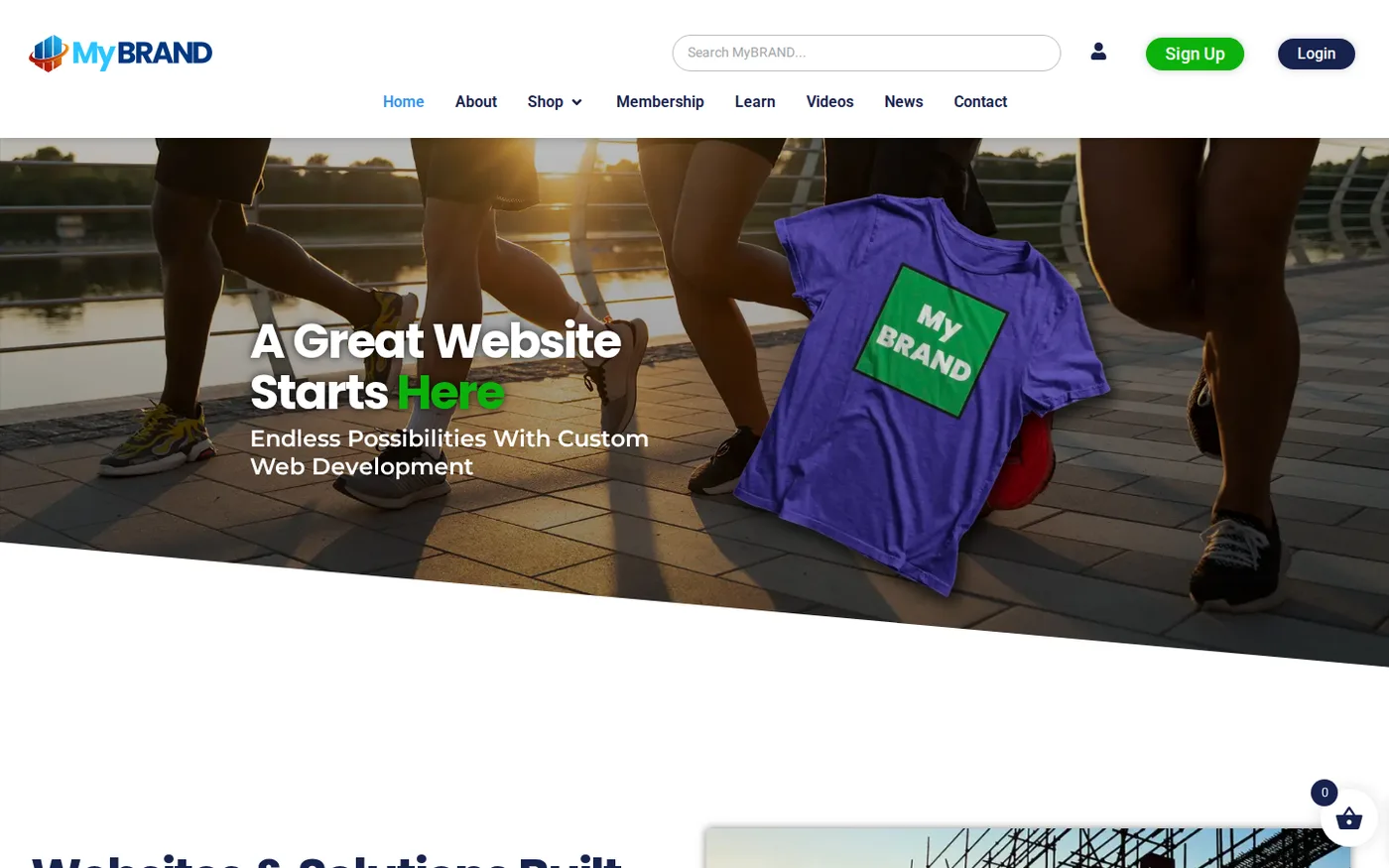

Website Starter Bundle
The site builder with hosting and SSL, one Hub for Teams mailbox on your own domain, and the domain itself free for the first year — in one annual plan instead of three separate decisions.
A business website has to do three things: load quickly, say clearly what you do, and make the next step obvious. Most sites that underperform fail the third one, not the first two. Choosing between a builder and a developer matters far less than deciding what the site is for before anything gets designed.
These guides cover the build decision, the platforms, the performance and search work that follows, and the specific site types we are asked about most.
Building a business website starts with a simple question: what should a visitor do next? A good business website answers that in seconds, whether the goal is a phone call, a booking or a purchase. The guides below walk through each decision in order, from choosing a website builder to working with a developer.
Speed and clarity matter most. Google explains how it measures page experience in its guide to Core Web Vitals, and it is worth reading before you choose a design. Accessibility also matters, so see our page on small business accessibility and the W3C accessibility guidelines for the standard most teams follow.
If you are comparing options for building a business website, our guide to which website builder to use is a good first stop. It covers when a builder is enough and when a custom build pays off. For a store, see our page on e-commerce development.
Whichever route you take, plan for upkeep. A business website needs hosting, backups, security and regular content updates. Treat the launch as the start of the work, not the end.
Start here
Four that cover the decisions before a single page gets designed.
- What Actually Matters Before Launching a Small Business Website?
What actually matters before launching a small business website, and what can wait. - How Do I Get My Website on Google?
How to get a new website into Google, and how long it realistically takes. - Is Your Website Winning or Losing Clients for You?
Whether your current site is winning or losing customers, and how to tell. - Website Mistakes That Could Be Costing You Customers
The website mistakes that quietly cost customers, with the fixes for each.
Website builders compared
If nobody on the team writes code, this is where the decision starts.
- What Website Builder Should I Use?
- What Website Builder Is All About
- Dynamic Website Builder for Dummies
- Where to Find the Best Website Builder
- Best WIX Alternatives for 2026
- Best Guide to Website Builders
- Website Builder Similar to WIX
- What Are the Best Website Builders?
- Introduction to the Best Website Builders
- Understanding the Best Sitebuilder Platforms in 2026
- Website Builders: A Practical Guide to Creating a Strong Online Presence
Working with a developer
What custom development involves, what it costs, and when it is the right call.
- Powerful Web Development and What It’s All About!
- The Best No 1 Web Design | Perfect Solution for your Business
- Reasons to Consider Professional Web Development
- Core Web Development in 2026: What You Need to Know to Stay Competitive
- The Best Web Development
- Innovative Web Development – Number 1 Web Development Partner
- The Best Web Development Programming Languages for IT in 2026
- No 1 Web Design Freedom Tech Partner Benefits
- Top 5 Simple Web Page Design
Performance, search and analytics
The work that happens after launch and decides whether anyone finds the site.
Specific kinds of site
Directories, events, listings and the small details that come up in every build.
- How to Build a Directory or Listing Website in 2026
- How to Create an Event Website: What It Needs and When
- Web Design for an Events Company: Turning Clicks into Clients
- How to Create an Real Estate Agent Listing Website: A Step-by-Step Guide
- What Is a Favicon and How Do You Add One to Your Website?
- Business Website | How Do I Create a Website?
Where LiberationTek fits
LiberationTek builds custom sites and also provides a hosted website builder, so the answer is not always the more expensive one. Hosting, certificates and backups are included either way.
Frequently asked questions
Should I use a website builder or hire a developer?
A builder is right when the site is a handful of pages that rarely change and nobody on the team writes code. A developer is right when the site needs specific functionality, integrates with other systems, or is central to revenue. Budget matters less than how often the site will change.
How long does it take to build a business website?
A builder site can be live in days. A designed and developed site is typically four to eight weeks, and the delay is almost always content rather than development. Having the text and images ready shortens it more than any other single thing.
How long before my site appears in Google?
Indexing usually takes days to a few weeks once the site is submitted and linked from somewhere. Ranking for anything competitive takes months. The gap between the two is where most new site owners assume something is broken.
What makes a business website slow?
Unoptimized images first, then too many scripts, then insufficient hosting resources. Images are the most common cause and the easiest to fix, which is why it is worth checking before spending money on a bigger plan.
What does a business website actually need?
A clear statement of what you do, proof that you do it, a way to get in touch that works on a phone, and pages that load in a couple of seconds. Everything else is refinement of those four.
Planning a site, or fixing one?
Send us the URL or tell us what you need. We will say plainly whether a builder would do the job, because sometimes it would.
The order to make the decisions in
Most website projects go wrong at the very start, by choosing a platform before anybody has decided what the site is for. The platform is the last decision rather than the first, and taking the others in order saves considerably more money than picking a cheaper tool.
Start with what one visitor should do. Call you, book an appointment, request a quote, buy something, or find your opening hours. Almost every small business site has exactly one of those as its real job and three more as decoration, and knowing which it is determines the layout, the content, and whether you need a store at all. If you cannot name it, the site will not do it.
Then decide who maintains it, because that is the question which actually chooses the platform. If somebody on your team will update the site monthly, you want something they can use without help. If nobody will ever touch it, you want it built properly once, with somebody responsible for keeping it running. Choosing a self-service builder and then never logging in again is how sites end up three years stale with last year’s prices still on them.
Then the things people leave until last and should not: the domain registered in your business’s name, mailboxes on that domain rather than a personal address, and the page addresses settled before launch so you are not changing them afterwards. Changing URLs after the fact discards search rankings, and a rebuild that quietly does so cost more than it appeared to.
Only then the platform. A Site Builder plan if you want it handled and simple, WordPress if you need the site to do something specific or expect it to grow. Either way the content and the URLs stay yours. Book a call and we will go through those four questions before quoting anything — it is a short conversation and it changes the price.
Cost is rarely the only factor with building a business website. Look at setup fees, renewal pricing, add-on charges, and the time your staff spends managing the service. A plan that looks cheap but needs constant attention often costs more than a managed option with clear support and predictable billing.
Security deserves the same attention. Ask how accounts are protected, how updates are applied, and how quickly problems are fixed. For building a business website, strong defaults such as two-factor sign-in, encrypted backups, and U.S.-based support reduce risk without adding work for your team.
Finally, think about growth. The right setup for building a business website should still fit when you add staff, locations, or new services. Choose a provider that can scale with you and will help you move data without downtime when the time comes.
Many customers tell us the hardest part of building a business website is simply getting started. We keep the first step small: a short call, a review of what you have today, and a written recommendation with clear pricing. There is no pressure and no long contract to sign before you know the plan makes sense.
Once you decide to go ahead, our team handles the heavy lifting, including migration, testing, and training. You keep control of your accounts and your data, and you always know who to contact for help with building a business website questions after launch.
To see how this works in practice, review our related guides, compare plans, or contact us for a quote. Whether you are replacing an existing service or starting fresh, we can help you choose building a business website options that fit your goals and keep your information in American hands.
Custom Solutions
Take your business to the next level with Liberation's full suite of services & solutions.
Custom Management
Don’t like managing? We offer managed services for hosting, ecommerce, web sites, and more.
Our Promise Of Digital Independence
Liberating Your Digital World Is Our Passion
- U.S.A. owned and based
- We own and control our entire platform
- More security to protect your data
- No Censorship Guarantee
- 100% data ownership
- Your data is NEVER shared
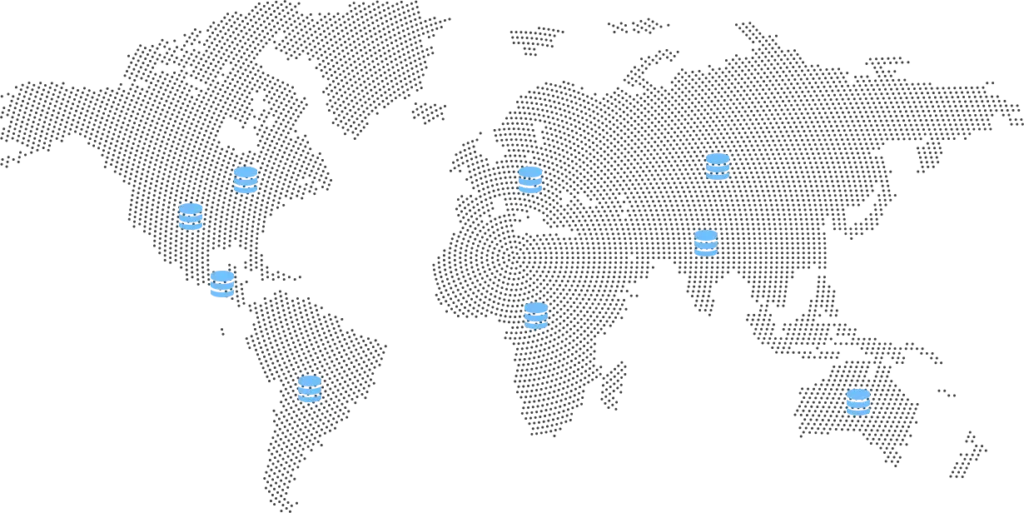
Global Edge Network
Liberation’s global edge network provides enhanced performance & security.
Freedom Tech News
Stay informed on the latest tech news, new products, promotions, & more!