
Introduction to Website Builders
Diving deeper into Liberation Technology website builders, they simplify creating stunning websites with ease. Many offer drag-and-drop interfaces, pre-designed templates, and SEO tools. Integrating e-commerce, these builders support business growth. Additionally, private cloud provider options ensure enhanced data security and control for users.
Types of Website Builders
When exploring the variety of website builders, offline and online options stand out. Offline builders require local installations, providing control over the creation process. Online builders, being cloud-based, offer accessibility and collaboration benefits, making them ideal for team collaboration tools and liberation technology services.

Key Features of Builders
Exploring the standout aspects of Liberation Technology website builders, you’ll find features that enhance user experience. These tools offer drag-and-drop interfaces, pre-designed templates, and SEO optimization. They cater to diverse needs, supporting both beginners and advanced users. Here’s a handy list of important features:
- Drag-and-drop interface
- Pre-designed templates
- SEO tools integration
- E-commerce capabilities
- Customizable options
- Security features
- Email marketing software
- Liberation technology services
Drag-and-Drop Interface
With the intuitive nature of a drag-and-drop system, creating a website feels like child’s play. Place elements where they belong without fuss. It’s like arranging furniture in a room, but without the heavy lifting. This feature, perfect for any website builder, makes designing your site a breeze.
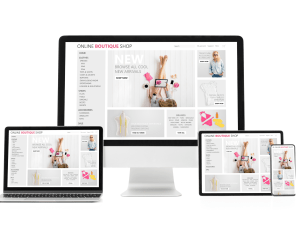
Pre-Designed Templates
Crafting with ready-made designs is like picking a suit off the rack. No need for a tailor, yet it fits like a glove. These styles ensure a quick, professional touch. For the busy Christian conservative entrepreneur, this option is a godsend, blending efficiency with ease.
SEO Optimization Tools
SEO tools in a website builder enhance search rankings through optimized content and metadata. They adjust URLs for better visibility. Imagine these tools as your backstage crew, silently adjusting the spotlights to ensure your website shines brightly for every visitor.
Team Collaboration Tools Explained
Exploring the intricacies of cooperation tools for teams can boost efficiency in web projects. These tools ensure seamless interactions, making them indispensable in a digital workspace. When paired with a robust website builder, they create a dynamic environment for creativity and innovation.
| Feature | Website Builder Benefit | Collaboration Tools Advantage | Integration Potential |
|---|---|---|---|
| Real-time Editing | Instant Design Changes | Simultaneous Contributions | Streamlined Processes |
| Resource Sharing | Centralized Media Library | Easy File Access | Unified Data Management |
| Communication Channels | Integrated Messaging | Clear Team Interaction | Enhanced Project Coordination |
| Task Management | Built-in Workflow Tools | Organized Task Assignment | Efficient Progress Tracking |
| Feedback Systems | User Review Features | Transparent Feedback Loops | Continuous Improvement |
Customization Options Available
Need to tweak your site’s look? A website builder offers creative freedom with design flexibility. Customize layouts, colors, and fonts to match your brand’s vibe. Seamlessly integrate tools like a tech partner program or conservative email marketing, ensuring your platform aligns with your unique vision.

E-commerce Integration Benefits
Integrating e-commerce features into a website builder unlocks vast possibilities. Think of streamlined payment processes and efficient inventory management. Picture your product catalog thriving online, driving sales effortlessly. Imagine these integrations as your freedom tech partner, simplifying your digital storefront and propelling your business growth.
Security Features Overview
Highlighting security features in a website builder ensures robust protection. Key measures include data encryption, regular updates, and secure hosting. These defenses safeguard user trust. Consider them a reliable freedom tech partner, ready to shield your digital presence against potential threats lurking in the online world.
Role of Private Cloud Provider
In the realm of cloud solutions, private providers cater to those seeking enhanced privacy and control. They offer tailored services, ensuring your website builder operates seamlessly and securely. Picture them as your discreet freedom tech partner, providing a robust, interference-free environment for your digital assets.
Email Marketing Software Integration
Integrating marketing tools with a website builder is like having a trusty sidekick. It streamlights communication, boosts engagement, and enhances customer relationships. Picture seamless connections, ensuring personalized outreach. With this integration, your website becomes a freedom tech partner, driving growth through effective interaction.
Comparing Popular Website Builders
Evaluating top website creators reveals diverse features and pricing. Factors like customization, scalability, and support vary significantly. A standout choice often depends on specific project needs and budget. Exploring each option’s unique offerings can highlight the best fit for personal or business use, ensuring efficient website management.
How to Choose the Right Builder
Picking a suitable website builder requires considering user-friendliness and customization. Opt for builders with comprehensive features matching your business goals. Ensure it offers robust support and security. Look for flexibility in design and functionality, so your online presence evolves along with your needs.
Conclusion
Choosing a website builder is like choosing the right pair of shoes. They need to fit your needs and style perfectly. With so many options, it can feel overwhelming. Take a deep breath and focus on what matters most to you.
Consider your goals. Are you building a personal blog or an e-commerce empire? Look at features like templates, SEO tools, and e-commerce capabilities. Think about your future needs, too. You might start small, but aim high.
Remember, a good website builder is more than just tools. It’s your partner in creating an online presence. Whether you’re a tech whiz or a newbie, there’s something out there for you. So, take your time, do your homework, and pick the one that feels right for your digital journey.
Website Builder Quick Answers
- A website builder lets you assemble a site from templates and visual tools without writing code.
- Hosted builders bundle the software and hosting in one plan. Self-hosted options give you more control and more responsibility.
- The best website builders for a business are the ones that match your traffic, budget, growth plans and need to move your content later.
- Check export options, page speed, accessibility and support before you commit.
Best Website Builders Compared by Type
Product names change often, so this table compares the main types of builder by the traits that matter most.
| Type | Ease of use | Control | Content portability | Best for |
|---|---|---|---|---|
| Hosted drag-and-drop builder | Very high | Limited | Often limited | Simple sites and quick launches |
| Self-hosted CMS with a page builder | Medium | High | High | Growing sites and content-heavy businesses |
| Store-focused builder | High | Medium | Varies | Small online shops |
| Custom development | Low for non-developers | Very high | High | Unique features and complex needs |
Eight Steps to Choose a Website Builder
- Write down what the site must do in its first year.
- Set a monthly budget that includes hosting, domain and add-ons.
- List the pages, forms and integrations you need.
- Test two or three options with a real draft page.
- Check how you can export your content if you leave.
- Run a speed test on each demo site.
- Review accessibility features and mobile layouts.
- Read the support terms and the renewal price.
Trusted Guidance for Website Builders
Whatever tool you choose, the finished site should load quickly and work for everyone. Google’s Web Vitals guide explains the speed and stability measures that affect user experience. The W3C’s Web Content Accessibility Guidelines set out how to make pages usable for people with disabilities.
For more on this site, read our comparison of site builder platforms, the guide to which builder to use, and our notes on e-commerce development and small business accessibility. If a template will not do the job, see our web development services.
Common Mistakes When Picking a Builder
Many people choose on price alone and find that the cheap plan lacks the features they need. Others build inside a closed platform and learn too late that their pages cannot be exported. Heavy templates and large images slow a site down, and skipping accessibility checks can shut out real visitors. A short trial with your own content exposes these problems early.
Website Builder Checklist
- Goals and budget are written down.
- Content export is possible.
- Demo pages pass a speed test.
- Templates work well on mobile.
- Accessibility settings are available.
- Renewal prices are clear.
Website Builder FAQ
What is the easiest website builder to use?
Hosted drag-and-drop tools are usually the easiest to start with. Try a free trial with your own content before you decide.
Can I switch builders later?
Sometimes. Closed platforms often make it hard to export pages, while self-hosted systems let you move your content and files.
Are website builders good for SEO?
Most include basic SEO settings such as titles and descriptions. Results still depend on your content, speed and site structure.
Do I need a developer if I use a builder?
Not for a simple site. You may want a developer for custom features, integrations or a migration from another platform.
How much does a website builder cost?
Plans range from free tiers to paid monthly subscriptions. Add the cost of a domain, email, apps and any premium templates for a realistic total.
Which builder is best for an online store?
Choose one with built-in checkout, tax and shipping tools, and check how it handles payment security. Compare a few store-focused options before you commit.
Is a free website builder good enough for a business?
It can work for a simple launch, but free plans often add ads, limit storage and block custom domains. Most businesses outgrow them quickly.
How long does it take to build a site with a template?
A small site can go live in a few days if your text and images are ready. Larger sites with stores or custom forms take longer, mostly because of content and testing.
What should I back up before changing builders?
Save your text, images, product data, form entries and redirect list. Keep a copy of your domain settings too, so the move goes smoothly.