Ditch Microsoft & Google Today!
We handle each step so you can keep working.
Business email, contacts and calendar on your own domain, all in one place.
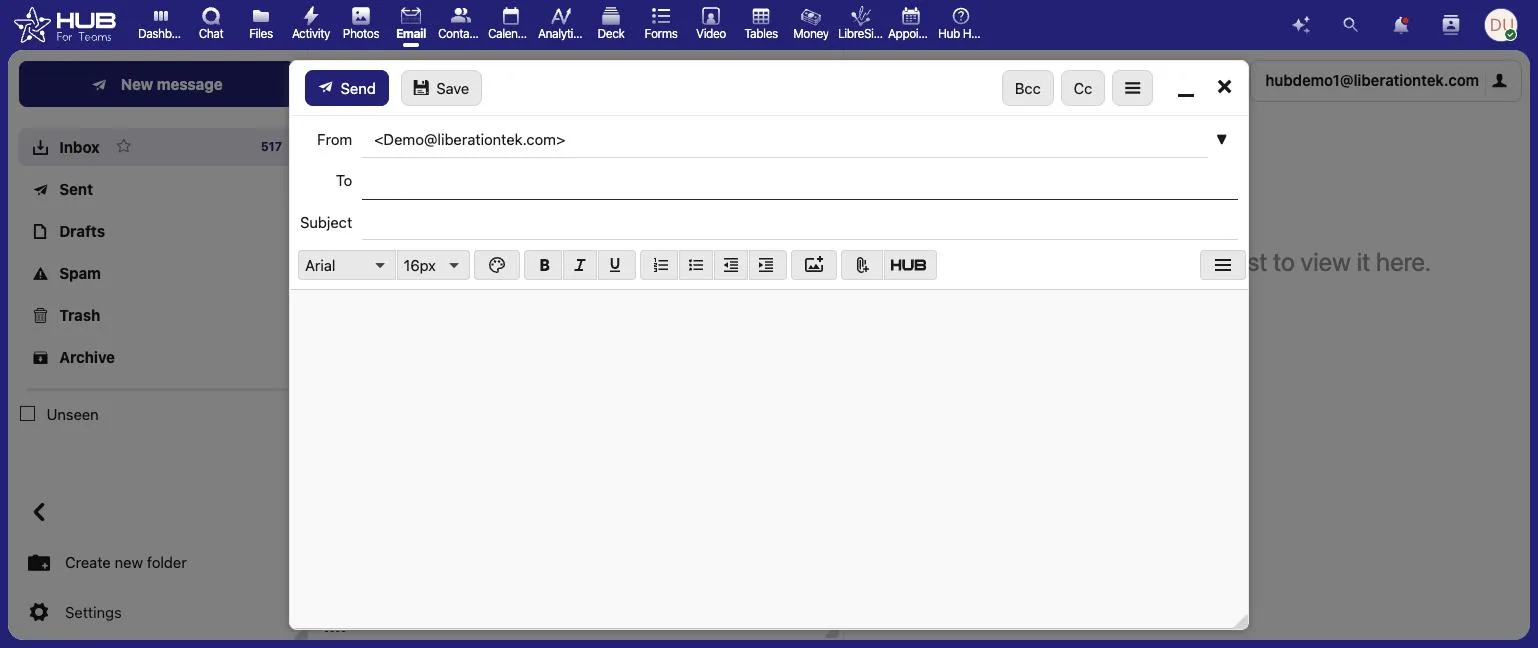


Moving off Proton Mail means moving your mailboxes, contacts and calendar into Liberation Email — U.S.-hosted business email with standard IMAP and POP3 access on every plan, so it works in Outlook, Apple Mail or any phone app without a bridge tool.
Before you move from Proton Mail, export your mail and contacts, and check which of your messages are end-to-end encrypted, since those may need extra steps to migrate. List every address and alias you use so that none of them stop receiving mail during the switch. Keep the old account open until the new one has been receiving mail reliably for a few days.
A migration is a good moment to review how your team handles email security in general. Our guides on password managers and what cybersecurity means for a small business cover the basics, and CISA explains multi-factor authentication in plain terms.
Teams that move from Proton Mail usually want to know three things: what moves, in what order, and when the old account can be closed. The graphic below summarizes the process, and the same steps are explained in more detail further down this page.
If you are weighing whether to move from Proton Mail now or wait, the timing is yours to choose. You can move from Proton Mail in one window or in stages, and the old account stays live until you confirm the new one works for everyone.
People who move from Proton Mail often ask about cost first. Our migration team walks through the plan with you before anything starts, so you know what it takes to move from Proton Mail before you commit.
Some questions come up on almost every move from Proton Mail. Can we move from Proton Mail without downtime? Yes, because the old account stays live until the cutover. How long does it take to move from Proton Mail? We confirm the timeline with you before anything starts. Will we lose anything when we move from Proton Mail? We confirm what moves before we begin, and anything that cannot move is listed up front.
If you would rather talk it through, tell us what you use today and we will explain what it takes to move from Proton Mail for your team.
Most mailbox migrations complete within a few business days of you approving the plan, with a scheduled cutover window so there’s no unexpected disruption.
Your Proton Mail account stays live and untouched while we build your new Liberation Email mailbox.
Messages and folders transfer over IMAP, and contacts export from Proton’s own tools and import into Liberation Email — we’ll tell you exactly what’s included before we start.
You pick the day you switch over, and we’re online while you sign in for the first time.
There’s no dual system to manage during the transition — once your mailbox is ready and you’ve tried it, your Proton Mail subscription can be downgraded or canceled on your schedule.
The most common reasons: using Proton with Outlook or Apple Mail on desktop requires installing and running the separate Bridge app (paid plans only); the free plan has no custom domain; and end-to-end encryption only fully applies between Proton users. See the full Proton Mail vs. Liberation Email comparison →
Messages, folders and labels transfer over IMAP, so your mail history moves with you.
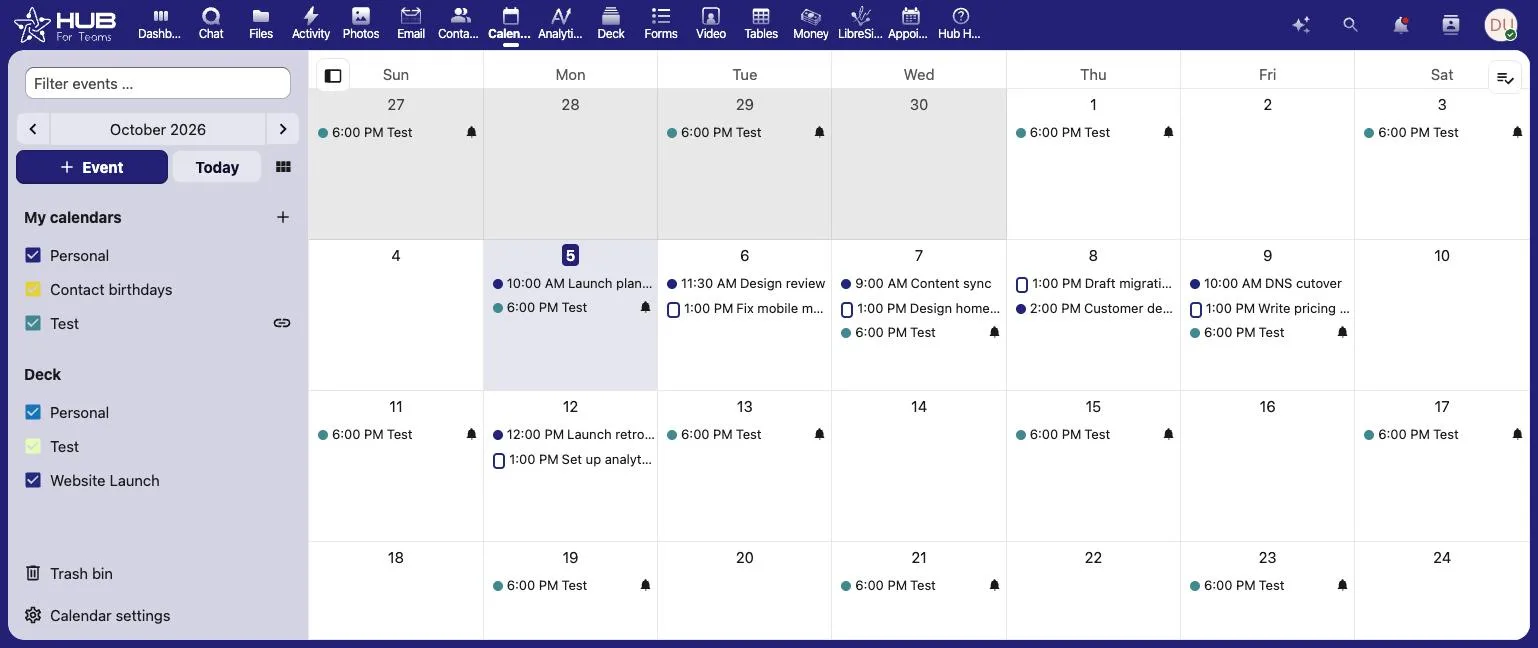
Contacts and calendar entries export from Proton and import into Liberation Email, so nothing has to be re-entered by hand.
You can keep your domain registered wherever it is and just point the mail (MX) records at us — no need to transfer the whole domain.
Starting prices, billed monthly. Migration itself is free regardless of which plan you choose.
Starting prices, billed monthly unless noted. Anything larger gets a written quote.
The migrated copy is checked against your live Proton Mail account — folders, contacts, calendar — before anything is pointed at it.
MX changes happen at a time you choose, and we monitor for delivery issues after the switch.
You keep your domain name and your existing email address — nothing changes for the people emailing you.
Mail, chat and files together.

Book a call and tell us about your setup — we’ll give you a migration timeline and a written quote, no obligation.
Proton’s whole design works against a routine migration, and that is a feature rather than a fault. Mail is stored end-to-end encrypted, which means Proton cannot read it — and neither can a standard migration tool, because there is no plain IMAP endpoint to connect to. The mail can only be decrypted by a client holding your keys.
In practice that leaves two routes. Either you use Proton’s own export tool to produce archive files from the account, or you run their desktop bridge, which presents a local IMAP endpoint on your own machine that a mail client or migration tool can read. Both work. Both generally require a paid plan and access to the account from a computer, and both are hands-on rather than server-to-server. Anyone quoting you a standard mailbox migration has not looked at what Proton is.
Which route is right depends on what you want afterwards. If you need the mail searchable in the new mailbox, the bridge route copies it in with folders and dates intact. If you only need it retained for records, the export route hands you archive files to store and the new mailbox starts clean. The second is faster and cheaper and is frequently the better answer.
Be clear-eyed about the trade, because it is a real one. Moving to a conventional provider means your mail is stored in a form that provider can access. What you gain is standard IMAP on any device, straightforward shared calendars and contacts, administrative control over your team’s accounts, and mail that behaves like everybody else’s. If end-to-end encryption is a requirement of your business rather than a preference, this may not be a move you should make — and we will say so.
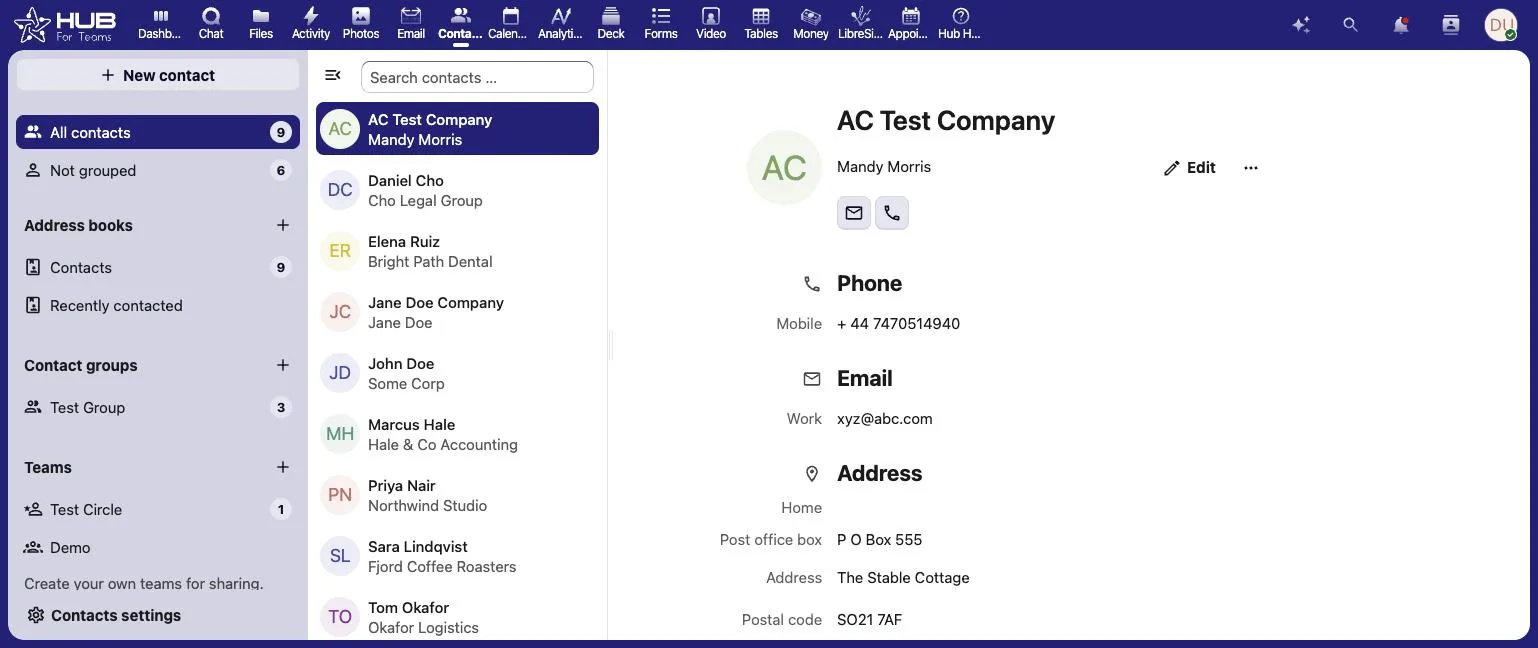
How we handle it: we establish which route fits, run the export or the bridge alongside you rather than asking for your credentials, copy or archive the mail accordingly, and publish SPF, DKIM and DMARC on your domain. Hub For Teams gives you mailboxes, shared calendars and contacts on your own domain. Book a call and we will work out whether you should be moving at all.
Don’t like managing? We offer managed services for hosting, ecommerce, web sites, and more.
Liberating Your Digital World Is Our Passion
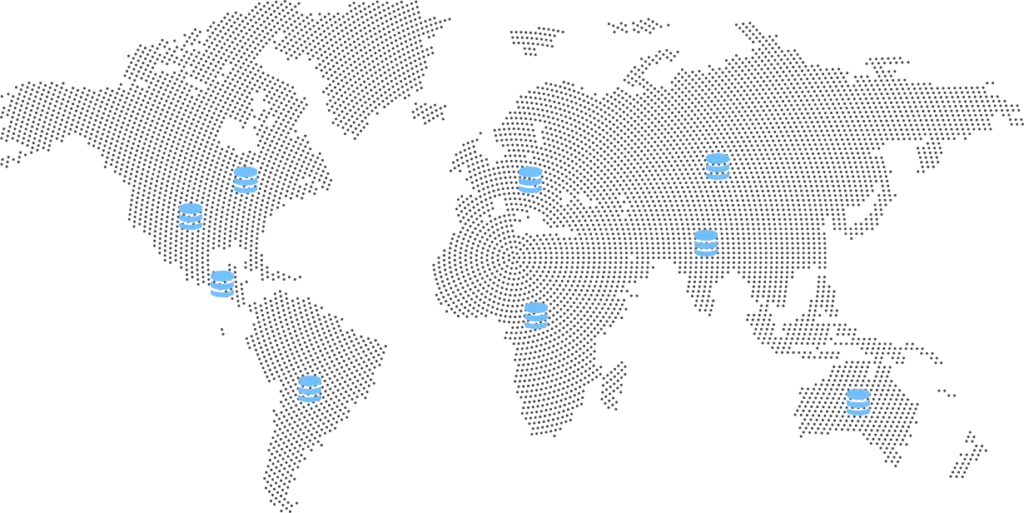
Liberation’s global edge network provides enhanced performance & security.
Stay informed on the latest tech news, new products, promotions, & more!