Cyber Security Services
Cyber Security Services for Small Business
Cyber security services should protect the things small businesses actually lose: the website, the email account, the files and the logins that open them. Most breaches are not clever. A password gets reused, a plugin is never updated, or someone clicks a convincing phishing email. Our cyber security services cover those everyday gaps, in plain language, with a person you can call.
We are a U.S.-owned team in Tampa, Florida, and we run security on our own infrastructure. That means one company to talk to instead of five vendors who each point at another when something goes wrong.
Cyber security services for the things that actually get attacked
Cyber security is the work of keeping your systems, data and accounts from being stolen, locked or misused. For a small business that usually comes down to four places: the website, email, stored files and the logins that open them. Here is what our cyber security services include for each.
Website security.
SiteLock scans your site for malware and known vulnerabilities, and its higher plans remove known malware automatically and add a web application firewall.
Backups.
CodeGuard keeps encrypted daily copies of your files and databases off-site, with restores you run yourself.
Disaster recovery.
Our backup and disaster recovery page explains what each backup layer covers and what it does not.
Regulated email.
HIPAA-compliant email for healthcare practices and the businesses that serve them.
Encryption in transit.
SSL certificates so visitors see a secure connection to your site.
Private team workspace.
Hub for Teams keeps chat, files, calendar and video in one workspace you control.
Data location.
Sovereign cloud for organizations that need to know exactly where their data lives and who operates it.
What good cyber security services cover for a small business
Before you compare vendors, it helps to know what a sensible setup contains. Good cyber security services are not one product. They are a handful of layers, each of which catches what the others miss. The layers below are general good practice, and they are the way we build our cyber security services.
Prevent.
Strong unique passwords, multi-factor sign-in, current software and a secure connection to your site make the easy attacks fail.
Detect.
Scheduled scanning and monitoring tell you early when something has changed, which is often the difference between a small cleanup and a long outage.
Recover.
Tested backups let you restore files, databases and settings without paying a ransom or rebuilding from memory.
Respond.
Someone needs to own the first hour after a problem: who to call, what to disconnect and who to tell.
When a quote for cyber security services covers only one of these layers, ask what happens at the other three. A scanner without backups finds the fire but cannot rebuild the house. Backups without scanning mean you may restore a copy that was already infected. Our guide to what cyber security is goes through the basics if you want the longer version.
Phishing: the threat your tools cannot fully stop
Phishing is a fake message, usually email, built to trick someone into giving up a password, paying a fake invoice or opening a bad attachment. Spear phishing is the targeted version, written to look like it came from your boss, your bank or a vendor you really use. Software helps, but a well-written message often gets through, so the habits of your team matter as much as the tools.
We write about this regularly. Start with our guide to AI phishing scams, then talk to us about cyber security services sized to your business. Practical basics that cost little:
- Use a unique password for every account and a password manager so nobody has to remember them.
- Turn on multi-factor sign-in wherever it is offered, starting with email, banking and your website admin.
- Require a second person to approve any change to payment details, even when the request looks like it came from the owner.
- Check the sender address and hover over links before clicking. If a message creates urgency, slow down and confirm by phone.
- Keep a restore you have actually tested, so one bad click does not become a lost week.
Phishing also reaches people outside email: text messages, voice calls and fake login pages. The defense is the same. Verify through a channel you already trust, not the one the message gave you. For a deeper look at how stolen logins spread, see our post on infostealer malware.
Network security basics for a small office
Network security means controlling what can connect to your systems and what those systems can reach. Cyber security services for a network do not need an enterprise budget to get the basics right. Change default router and device passwords, keep router firmware and operating systems updated, put guests and personal devices on a separate Wi-Fi network, and remove accounts for people who no longer work with you.
Splitting a network into zones limits how far one infected laptop can spread. We explain the idea in plain terms in our post on network segmentation. For website traffic specifically, the web application firewall in higher SiteLock plans filters hostile requests before they reach your pages. We do not sell office firewalls or antivirus software, so if you need those, we will say so and point you to the right kind of vendor.
Network security for a remote or hybrid team also means knowing where files live. A shared drive, a chat history and a personal cloud account are all places data can leak. Keeping work in one workspace you control, such as Hub for Teams, makes it easier to see who has access and to remove it when someone leaves.
Managed security service provider or small team: which do you need?
If nobody on your staff owns security, it tends to belong to nobody. Under custom IT solutions, our Security Team can design custom strategies, technology and support around how your business runs. That can include monitoring and managing your hosting, email, websites and e-commerce so problems are caught early.
A large managed security service provider usually offers round-the-clock monitoring, a ticket queue and contracts built for companies with an IT department. Those are real strengths if you need them. Our cyber security services are not that kind of operation, and we will not pretend they are. We are a small team that knows your setup by name. If something sits outside what we do in-house, we say so and bring in a vetted partner. Read more in our post on managed security for business.
A simple test: if you would be satisfied with a named person who understands your site, mail and backups and answers the phone, a small team fits. If you must meet a formal requirement for continuous monitoring, you may need a larger managed security service provider, and it is better to find that out before you sign anything.
Cyber security services checklist before you hire anyone
Whichever provider of cyber security services you choose, ask these questions and expect direct answers.
Step 1
What exactly is covered. Ask for a list of systems in scope and a list of what is out of scope, in writing.
Step 2
Who is on the other end. Find out where the team is located and whether you reach a person or a queue.
Step 3
How restores work. Ask how often copies are made, where they are stored and how you test a restore.
Step 4
What happens after an incident. You want a described first-hour process, not a promise that nothing will go wrong.
Step 5
How data is handled. Ask where your data is stored, who can access it and what happens to it if you leave.
Step 6
What it costs. Expect a clear quote before work begins, and be wary of any vendor that guarantees you will never be breached.
The U.S. government publishes free, practical guidance for small organizations. See the CISA cyber security best practices page for a neutral second opinion on any plan you are considering.
Cyber security services: talk to an engineer.
Talk to us about cyber security servicesCommon cyber security mistakes we see
These are the gaps that cyber security services are meant to close, and most of them cost very little to fix.
Treating the website as an afterthought.
Sites that were launched years ago and never updated are a common way in. Scans and updates should be routine, not a reaction. Our post on securing a WordPress website covers the basics.
Backups that were never restored.
A backup you have not tested is a hope, not a plan. Run a test restore at least once, and again after big changes.
Shared logins.
One password used by several people means you cannot tell who did what and cannot remove one person's access cleanly.
Cheap shared hosting with no plan.
Shared hosting can be fine, but you should know what is isolated and what is not. See our post on whether shared hosting is safe.
Waiting until after an incident.
The first week after an attack is the most expensive time to start shopping for help.
Compliance and data location
Healthcare practices, nonprofits and government-adjacent organizations often have rules about how data is stored and shared. Cyber security services for regulated organizations start with where data lives, so our HIPAA-compliant email service is built for that situation, and our sovereign cloud option is for teams that need clear answers about where data sits. Rules differ by organization, so we start with a conversation about which framework applies to you. Our guide to which compliance framework applies and our overview of data security and compliance are good first reads.
No product makes an organization compliant by itself. Compliance depends on how you configure and use your tools, on your written policies and on training your staff. A good provider helps you with the technical side and is honest about the rest.
How our cyber security services fit together
Most customers do not buy every part of our cyber security services. They pick the layers that match their risk, and we make sure the pieces work together. A typical small business using our cyber security services might scan its site with SiteLock, keep off-site copies with CodeGuard, move staff to secure business email and agree a short written plan for what to do if something goes wrong. A business with a team spread across locations may add Hub for Teams so chat and files stay in one place. A practice with patient data may start with HIPAA-compliant email.
Because the hosting, email and workspace products are our own, we can look at the whole picture instead of one slice. That is the practical advantage of working with one U.S.-owned company rather than assembling a stack from strangers.
How it works
Our cyber security services follow the same three steps for every customer, whatever the size.
Step 1
Free consultation. Tell us what you run today and what worries you. We listen before we recommend anything.
Step 2
Custom plan and quote. We recommend only what fits your risk and budget and send a clear quote before any work begins.
Step 3
We set it up and stay on. We configure, migrate and manage the pieces, and you get a person to call when something looks wrong.
What to prepare for your first call
You do not need technical documents. A few notes help us give you useful advice faster:
- Your website address and the platform it runs on, if you know it.
- Who hosts your site and email today, and who has admin access.
- Any rules that apply to you, such as patient data or contract requirements.
- What happened before, if you have had an incident or a close call.
- Your budget range and how quickly you want to move.
Start with what is easiest to fix
Cyber security services do not have to be bought all at once. You do not need to buy everything at once. For most small businesses the best first steps are website scanning, tested off-site backups and secure email. Add the rest as your risk grows. If you are unsure where you stand, we will review your current setup and tell you what matters most. Honest answers are part of the service.
Cyber Security Services FAQs
What cyber security services does LiberationTek offer?
We offer website malware scanning through SiteLock, encrypted off-site backups through CodeGuard, backup and disaster recovery planning, HIPAA-compliant email, SSL certificates, a private team workspace in Hub for Teams, sovereign cloud, and custom security management under our custom IT solutions.
Do you replace my IT department?
No. We are a small U.S.-owned team that can manage and monitor your hosting, email, websites and e-commerce, or help an existing IT person. We are not a large security operations center. If something is outside what we do in-house, we tell you and bring in a vetted partner.
How can I protect my business from phishing?
Use unique passwords, turn on multi-factor sign-in where available, and have a second person approve any change to payment details. Teach staff to check the sender and link before acting. Tested backups limit the damage if someone still clicks. We can help set these up.
Is your email HIPAA compliant?
We offer HIPAA-compliant email for healthcare practices and related businesses. Compliance also depends on how your organization uses it and on your own policies, so we recommend a short conversation about your setup before you switch. See our HIPAA email page and vendor checklist for what to ask any provider, including us.
How much does cyber security cost?
It depends on scope. Some services have published prices, such as SiteLock plans on our SiteLock page. Custom security management is quoted after a free consultation, and you get a clear quote before any work begins, so there are no surprises later.
Do you offer network security or antivirus products?
No. We do not sell antivirus software or office firewalls. Our services focus on website security, backups, secure email, SSL, a private team workspace and managed oversight of your hosting and email. If you need endpoint or office network tools, we will say so and point you toward the right kind of vendor.
Should I hire a managed security service provider or a small team?
It depends on your requirements. If you must meet a formal need for continuous, around-the-clock monitoring, a large managed security service provider may fit better. If you want a named team that knows your site, email and backups and answers the phone, a small team like ours may suit you. We will tell you honestly.
What Our Customers Say
★★★★★ Rated 4.9/5 on Google and 4.7/5 on Trustpilot
Related Services
Our Promise Of Digital Independence
Liberating Your Digital World Is Our Passion
- U.S.A. owned and based
- We own and control our entire platform
- More security to protect your data
- No Censorship Guarantee
- 100% data ownership
- Your data is NEVER shared
Liberation News

LTS News
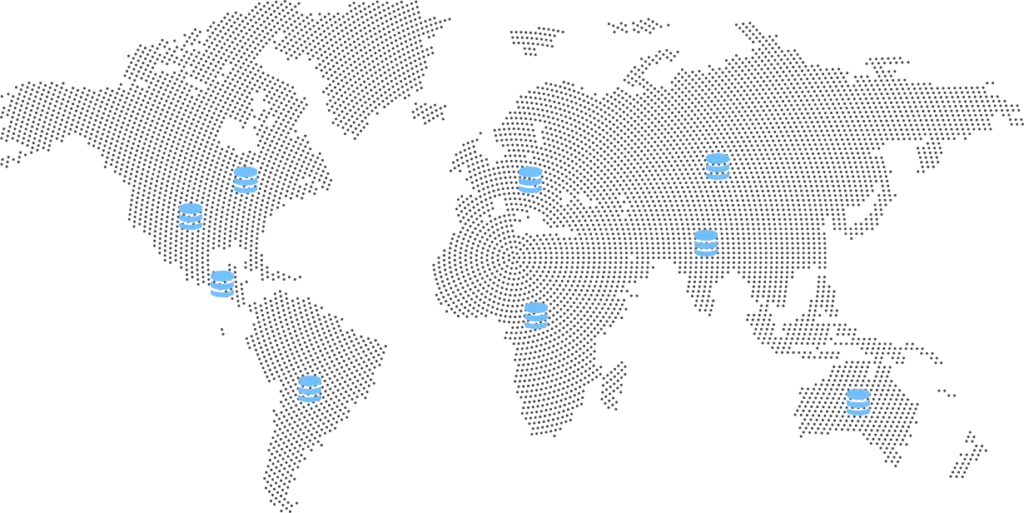
Global Edge Network
Liberation’s global edge network provides enhanced performance & security.
Freedom Tech News
Stay informed on the latest tech news, new products, promotions, & more!