
In a world where data security breaches and cyber threats lurk, safeguarding information is paramount. Enter the realm of “Enhanced and Data Security and Compliance.” It’s not just jargon; it’s the shield protecting your digital treasures. Picture this: you’re a Christian conservative entrepreneur seeking to safeguard client information. Team collaboration tools and private cloud providers are your allies. They ensure data integrity while allowing seamless communication. With liberation technology services, compliance isn’t a chore; it’s your roadmap to peace of mind. Engage in a tech partner program to keep your operations secure. And for those sending newsletters, conservative email marketing and email marketing software are game-changers. So, embrace this journey toward fortified data and a secure future.
The Importance of Compliance in IT
Navigating the maze of IT standards ensures businesses avoid pitfalls. With Enhanced Data Security and Compliance, organizations safeguard sensitive information. Freedom Tech Partner offers solutions that streamline processes, providing peace of mind. Embracing this approach is liberating.
Key Elements of Data Security
Data protection is like a fortress; encryption and multi-factor authentication are its walls. These elements of safety are crucial. By partnering with Freedom Tech Partner, businesses can enjoy enhanced data security and compliance while also ensuring privacy.
Common Threats to Data Security
Identifying threats is key to securing data. Cyberattacks exploit system weaknesses. Regularly assess and understand vulnerabilities to fortify defenses. Equip your team with knowledge to recognize these threats and enhance data security and compliance effectively.
Identifying Vulnerabilities in Systems
Uncovering weaknesses in tech systems involves conducting regular audits. These evaluations help spot potential security gaps. By addressing these, organizations enhance data security and ensure compliance. Such diligence is crucial for maintaining robust defenses against threats.
Understanding Cyberattack Techniques
Recognizing the arsenal of cyberattack techniques is crucial for achieving enhanced data security and compliance. Organizations should focus on employee training and awareness to defend against social engineering and ransomware, ensuring their defenses are robust and updated.
Implementing Strong Security Protocols
Implementing rigorous security measures enhances data protection and compliance. Multi-factor authentication and encryption are your best buddies. They ensure unauthorized access stays out. It’s like having a digital lock and key, safeguarding your precious data.
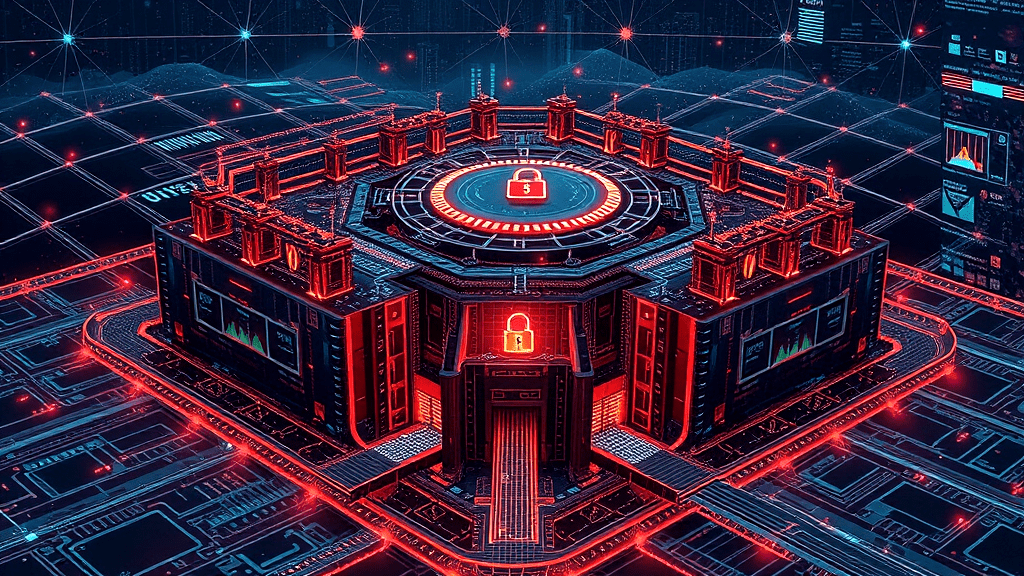
Role of Encryption in Protecting Data
Encryption’s role in data safety can’t be overstated. It transforms sensitive data into unreadable code, ensuring enhanced data security and compliance. Organizations should prioritize encryption to protect against breaches, safeguard customer trust, and maintain regulatory adherence.
Using Multi-Factor Authentication
Adding multiple verification steps significantly boosts security. It’s like having a bouncer at a club—only the right people get in. This not just protects data but ensures regulatory compliance, making your information fortress even more robust.
Compliance Standards and Regulations
Navigating compliance requirements is a balancing act involving GDPR and HIPAA. These regulations ensure data integrity and align with Enhanced Data Security and Compliance. Companies face the challenge of adhering to these evolving standards while safeguarding data effectively.
GDPR and Its Impact on Businesses
The influence of GDPR on business operations is significant. Companies must prioritize enhanced data security and compliance, integrating strict safeguards to protect sensitive information. This ensures they avoid hefty fines, while maintaining customer trust and data integrity.
| Aspect | Impact on Businesses | Key Action | Result |
|---|---|---|---|
| Data Security | Heightened protection measures | Implement encryption, multi-factor | Enhanced data security |
| Compliance | Adherence to strict regulations | Regular audits, employee training | Avoidance of fines, legal compliance |
| Customer Trust | Increased importance of transparency | Clear data handling policies | Stronger customer relationships |
| Risk Management | Proactive threat identification | Security audits, vulnerability checks | Reduced data breach risk |
| Operational Changes | Adjustments to data processing practices | Comprehensive policy updates | Streamlined operations, compliance |
Data Security Best Practices
Incorporating enhanced data security and compliance practices is crucial for safeguarding sensitive information. Regular updates, audits, and staff training are key. Collaborate with partners, like Freedom Tech Partner, to align with regulations. Liberation technology services offer robust security solutions.
Regular Security Audits and Assessments
Carrying out consistent security audits and assessments is like having a reliable watchdog. They uncover hidden vulnerabilities, paving the path for enhanced data security and compliance. It’s like keeping your digital fortress impenetrable, ensuring peace of mind.
Employee Training for Data Protection
Training employees is crucial for securing data and staying compliant. It empowers them to recognize threats and follow security protocols. This proactive approach leads to enhanced data security and compliance, minimizing risks and ensuring legal adherence.
The Role of Technology Partners
Choosing the right tech allies is crucial for strengthened data security and compliance. They customize solutions to organizational needs, ensuring safer collaboration. Collaborating with experts like Freedom Tech Partner can enhance security measures and ensure adherence to regulations.

Choosing a Private Cloud Provider
Determining the ideal cloud service often starts with focusing on enhanced data security and compliance needs. Choose partners offering strong encryption and multi-factor authentication to protect sensitive information. Consider those with robust compliance standards like GDPR.
Benefits of Team Collaboration Tools
The advantages gained from collaborative tools are immense, particularly regarding data security. They’re like a digital vault, protecting sensitive information. With features like encryption, compliance with regulations becomes second nature. More secure collaborations lead to enhanced productivity.
Utilizing Email Marketing Securely
Ensuring safe email marketing involves strict data protection strategies. By prioritizing encrypted communication, businesses achieve enhanced data security and compliance. Here are some essential practices:
- Use encryption technology for all emails.
- Implement multi-factor authentication.
- Regularly update security software.
- Conduct frequent security audits.
- Educate staff on email security.
- Monitor and manage access permissions.
- Partner with reliable tech firms like Freedom Tech Partner.
For businesses, these tactics are key to safeguarding information and maintaining trust.
Data Security and Compliance: Quick Answers
- Data security is about protecting information with technical controls. Compliance is about proving you follow the rules that apply to you.
- Which rules apply depends on your industry, your customers and the kind of data you handle.
- Good security makes compliance easier, because many rules ask for the same basics: access control, encryption, logging and incident plans.
- Keep records. An auditor or customer will ask what you do and how you know it works.
Common Compliance Frameworks Compared
The table gives a plain-language overview. It is general information, not legal advice, so confirm which rules apply with a qualified professional.
| Framework or law | What it covers | Who it usually affects |
|---|---|---|
| GDPR | Personal data of people in the European Union | Organizations that offer goods or services to, or monitor, people in the EU |
| CCPA | Personal information of California residents | Businesses that meet the law’s thresholds |
| PCI DSS | Payment card data | Any business that accepts or processes cards |
| HIPAA | Protected health information in the United States | Healthcare providers, plans and their business associates |
| NIST Cybersecurity Framework | A voluntary structure for managing cyber risk | Any organization that wants a clear plan |
Core Security Controls and the Risks They Reduce
| Control | Risk it reduces |
|---|---|
| Multifactor authentication | Account takeover from stolen passwords |
| Encryption | Exposure of data if a device or backup is lost |
| Access control | Staff seeing data they do not need |
| Logging and monitoring | Attacks that go unnoticed for weeks |
| Backups | Data loss from ransomware or mistakes |
| Staff training | Phishing and social engineering |
Eight Steps to Build a Compliance Program
- List the data you hold and where it flows.
- Identify the laws and standards that apply to that data.
- Compare your current controls against each requirement.
- Fix the highest risks first.
- Write short policies in plain language.
- Train your team on the policies.
- Keep evidence, such as access reviews and backup tests.
- Review the program every year and after major changes.
Trusted Guidance on Security and Compliance
NIST’s Cybersecurity Framework and Privacy Framework offer clear structures for managing risk. The PCI Security Standards Council publishes the card data standard, and the European Commission and the California Attorney General explain GDPR and CCPA. CISA’s page on multifactor authentication covers a control nearly every framework expects.
On this site, read about which compliance framework applies, GDPR for a US small business and managed security for business.
Common Compliance Mistakes
Many organizations treat compliance as a one-time project and let records go stale. Others copy a template policy that does not match what they really do. Some collect the paperwork but never test their backups or access rules. Matching your written policies to real practice, and keeping evidence, avoids the biggest gaps.
Compliance Checklist
- Data and its locations are listed.
- Applicable laws and standards are identified.
- Multifactor authentication and encryption are in use.
- Policies match real practice.
- Evidence is stored and dated.
- Annual review is on the calendar.
Data Security and Compliance FAQ
What is the difference between security and compliance?
Security is the set of protections you put in place. Compliance is showing that your protections meet the rules that apply to you.
Do small businesses need to worry about compliance?
Often yes. If you take card payments, hold customer personal data or serve regulated sectors, some rules probably apply. A qualified professional can confirm which ones.
Is being compliant the same as being secure?
Not always. Compliance sets a minimum, and real security often needs more. Treat the requirements as a floor.
What records should I keep?
Keep your data inventory, policies, access reviews, training records, backup tests and incident logs, each with dates.
How often should I audit my controls?
At least once a year, and after any significant change such as a new vendor, system or type of data.
Can a managed provider help with compliance?
It can help with monitoring, patching and evidence gathering. You remain responsible for the decisions and for what you tell customers and regulators.