
Cybersecurity involves safeguarding information technology (IT) networks, systems, data, applications, and devices against malicious attacks. These cyberattacks are often intended to disrupt business operations, gain unauthorized access, steal sensitive data or intellectual property, or extort money. Effective cybersecurity relies on a layered defense strategy that integrates the right technologies, processes, policies, and skilled professionals to protect organizations from threats that can cause significant financial and reputational damage.
What is the purpose of a cybersecurity program?
An effective cybersecurity program is designed to detect and respond to threats as quickly as possible. It may include technologies that prevent threats from entering a network, as well as tools that identify and stop attacks already in progress. Given the growing volume and sophistication of cyberattacks, cybersecurity programs often focus on both preventing breaches and maintaining business continuity when defenses are compromised.
Why is cybersecurity important?
IT networks, applications, and data are essential to the operations of every organization. As businesses become more interconnected, these assets become increasingly attractive targets for cybercriminals. A robust cybersecurity program helps protect sensitive data, maintain trust and reputation, and minimize financial and operational impact in the event of an attack.
What is a cybersecurity threat?
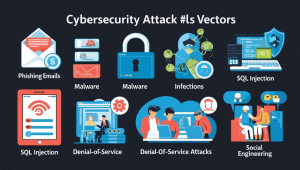
Cybersecurity threats are constantly evolving, but there are several well-known methods that continue to challenge even the most advanced security programs:
-
Malware refers to malicious software—including viruses, worms, and spyware—designed to steal data or disrupt systems and networks.
-
Ransomware is a type of malware that encrypts data within a network, with attackers demanding payment in exchange for a decryption key to restore access.
-
Phishing attacks use deceptive emails or messages that appear to come from trusted sources to trick individuals into revealing login credentials, financial information, or other sensitive data.
-
Insider threats stem from individuals such as employees, contractors, or vendors who misuse their authorized access to steal information or sabotage systems.
-
Denial-of-service (DoS) and distributed denial-of-service (DDoS) attacks overwhelm networks, websites, or servers with traffic, causing them to slow down or crash, disrupting access for legitimate users.
-
Advanced persistent threats (APTs) are long-term, targeted attacks in which a cybercriminal gains unauthorized access and remains hidden within a network to gather data or monitor activity over time.
-
Man-in-the-middle attacks occur when an attacker secretly intercepts and potentially alters communications between two parties to steal data or impersonate one of the users.
-
SQL injection involves inserting malicious code into a website or application’s database query to gain unauthorized access or manipulate stored information.
-
Botnets are networks of infected devices controlled remotely by cybercriminals, often used to carry out coordinated attacks on a larger scale.

What are the elements or types of cybersecurity?
An effective cybersecurity program consists of a combination of technologies, procedures, and policies that work together to safeguard different components of an organization’s IT environment:
-
Network security (also known as information security) protects against threats targeting operating systems, network architecture, servers, and protocols.
-
Cloud security ensures the safety of data, applications, and infrastructure hosted in public, private, or hybrid cloud environments.
-
Internet of Things (IoT) security focuses on securing the growing number of connected devices within IoT ecosystems.
-
Application security defends software from being exploited by attackers through vulnerabilities in its code or configuration.
-
Identity and access management (IAM) governs who has access to systems and data, ensuring only authorized individuals can reach sensitive resources.
-
Endpoint security protects devices like desktops, laptops, smartphones, and servers from being entry points for cyber threats.
-
Data security focuses on safeguarding sensitive information both in transit and at rest using tools like encryption, backups, and access controls.

What are common cybersecurity challenges?
- Organizations face several persistent challenges when trying to maintain strong cybersecurity:
-
A constantly evolving threat landscape: Cybercriminals continuously develop more advanced and creative methods of attack. As a result, businesses must regularly assess and update their security strategies and adopt new tools and techniques to stay ahead of emerging threats.
-
Human error: User behavior is often the most vulnerable point in an organization’s cybersecurity defenses. Ongoing security awareness training is essential to help employees recognize and avoid potential threats.
-
Greater dependence on IT systems and cloud services: As organizations move more operations to the cloud and expand their digital infrastructure, the potential entry points for cyberattacks increase, widening the attack surface.
-
Remote work: The shift to remote and hybrid work environments increases the risk of compromised connections and personal devices, making it harder to enforce consistent security policies.
-
Bring Your Own Device (BYOD) policies: Allowing employees to use personal laptops, smartphones, and tablets for work creates additional security challenges, as these devices are harder to monitor and secure compared to corporate-owned hardware.
What are cybersecurity best practices?

-
Adopt a comprehensive security solution: A strong cybersecurity strategy includes multiple layers of defense designed to protect systems, networks, and data from a broad spectrum of threats.
-
Implement a Zero Trust security model: Unlike traditional perimeter-based defenses, Zero Trust assumes no user or device is automatically trustworthy—even inside the network. Every access request must be verified and authenticated, reducing the risk of internal breaches and lateral movement by attackers.
-
Use advanced identity and access management (IAM) tools: Robust IAM solutions enforce strict user access controls, require multi-factor authentication (MFA), and provide visibility into suspicious or unauthorized activity, helping to reduce risk and improve security posture.
Stop cybersecurity threats with Liberation Technology security solution
Liberation Technology has a strong legacy as a global leader in enabling businesses to build and run applications with speed and performance—delivering seamless user experiences worldwide. Today, we’re also at the forefront of cybersecurity. Our robust platform equips organizations with the tools they need to combat evolving threats through a comprehensive, multilayered security strategy.
Our broad and integrated portfolio is especially valuable to organizations seeking powerful protection while simplifying vendor management. Liberation Technology’s cybersecurity solutions stand out in the market, consistently recognized as top-tier technologies for securing enterprise websites, applications, data, user access, and other vital digital assets.
Quick Answers: Why Cybersecurity Matters to a Small Business
- A single incident can stop sales, lock you out of files, expose customer records and damage trust.
- Attackers often pick small businesses because the defenses are lighter, not because the business is famous.
- Most of the damage is avoidable with basic habits: multi-factor authentication, updates, backups and staff awareness.
- Recovery is usually harder and more expensive than prevention, especially when you have no tested backup.
- Good security also helps you win work, since larger customers increasingly ask how you protect their data.
What an Incident Can Cost
| Area of impact | What it looks like | How to reduce it |
|---|---|---|
| Downtime | Staff cannot work and customers cannot order | Tested backups and a recovery plan |
| Data loss | Files encrypted or deleted | Offline or separate backup copies |
| Customer trust | People worry about their information | Clear communication and strong access controls |
| Fraud | Fake invoices or payment changes | Call to confirm changes, use multi-factor authentication |
| Legal and contract duties | Notice rules and contract terms may apply | Know what data you hold and ask a professional |
| Recovery effort | Hours of staff and outside help | A written incident plan and named contacts |
Build Cybersecurity Into Your Business in Eight Steps
- Decide who owns security, even if it is one person for a small team.
- List the data you would hate to lose or leak, and where it lives.
- Turn on multi-factor authentication for email, banking and admin tools.
- Set up automatic updates and remove software nobody uses.
- Back up that data in two places and test a restore every quarter.
- Limit access so people can reach only what their job needs.
- Run a short phishing awareness session and share real examples.
- Write a one page plan with phone numbers, first steps and who decides what.
Trusted Guidance
The Cybersecurity and Infrastructure Security Agency offers plain language guides on multi-factor authentication, recognizing phishing and ransomware. The National Institute of Standards and Technology keeps a page of small business cybersecurity resources. This is general information and not legal advice, so ask a qualified professional about any notice duties that apply to you.
For more from us, see what is cybersecurity, our page on managed security for business and password managers. If your website runs on WordPress, read about WordPress hosting.
Common Mistakes
- Believing the business is too small to be a target.
- Relying on one backup that sits on the same network.
- Skipping multi-factor authentication because it feels inconvenient.
- Giving every employee administrator access.
- Waiting for an incident before writing a plan.
Cybersecurity Importance Checklist
- A named owner for security.
- Important data listed and backed up twice.
- Multi-factor authentication on key accounts.
- Automatic updates on.
- Staff trained on phishing.
- A written incident plan.
Frequently Asked Questions
Why is cybersecurity so important for small businesses?
Small businesses hold valuable data, such as customer records and payment details, and often have fewer protections. An incident can halt operations and damage trust, so basic defenses pay off quickly.
What is the cheapest way to improve security?
Turn on multi-factor authentication, use a password manager, enable automatic updates and train staff to spot phishing. These steps cost little and address common causes of incidents.
Do I need cybersecurity if I only use cloud services?
Yes. The provider secures its systems, but you still control accounts, settings and who has access. Weak passwords and loose sharing settings are common causes of problems in cloud tools.
How often should I review my security?
Review access and backups every quarter and look at your whole plan once a year or whenever your business changes, such as hiring, a new tool or a new office.
What should I do first after a suspected attack?
Disconnect the affected device, change passwords from a clean device, contact your IT provider and follow your plan. If customer data may be involved, ask a qualified professional about notice rules.