
Running a small team requires discipline, clarity and a dependable project management system. When responsibilities overlap and resources are limited, structure becomes essential. This is where project management plays a central role, helping teams stay organized, accountable and focused on their mission. However, choosing the right tools—and understanding the risks involved—is just as important as adopting the practice itself.
Understanding the Needs of Small Teams
Small teams operate differently from large organizations. Each member often wears multiple hats, making efficiency and communication critical. Tools designed for enterprise environments can feel overwhelming, while overly simple platforms may lack essential features. Effective project management solutions must balance ease of use with functionality, allowing teams to collaborate without unnecessary complexity.
Freedom Tech Partner recognizes these realities by offering solutions that prioritize simplicity, collaboration and reliability. When paired with Liberation Technology Services as a private cloud provider, teams benefit from secure systems without sacrificing usability.
Why Project Management Tools Matter
At its core, project management provides visibility. Tasks are clearly assigned, deadlines are tracked and progress is transparent. This reduces confusion and helps teams stay aligned, especially when working remotely or juggling multiple initiatives.
The right tools also improve communication. Instead of relying solely on scattered emails or informal messages, teams gain a centralized workspace where updates, files and discussions live together. For values-driven entrepreneurs, especially Christian conservative business owners, this structure supports order, accountability and stewardship of time.
Common Risks in Project Management
While the benefits are clear, risks should not be ignored. One major risk is tool overload. Adopting too many platforms can fragment communication and reduce productivity. Another concern is poor adoption—if tools are too complex, team members may avoid using them altogether.
Security is also a serious risk. Cloud-based systems that lack proper safeguards can expose sensitive data. This is why private cloud options, such as those offered by Liberation Technology Services, are critical. They provide stronger control over data, helping organizations protect information from breaches or misuse.
Finally, over-automation can distance leaders from their teams. Project management should support human judgment, not replace it. Wise leadership requires balance.
Choosing the Right Tools
Selecting a solution should begin with understanding your team’s workflow, budget and technical comfort level. Tools like Trello offer visual simplicity, while Asana excels at task tracking. Monday.com provides clear timelines, and Notion allows deep customization. Each option supports project management differently, and no single tool fits every team.
Liberations Hub for Teams helps teams navigate these choices by offering guidance rooted in practical experience rather than trends. This conservative approach favors long-term stability over flashy features.
Integration and Communication
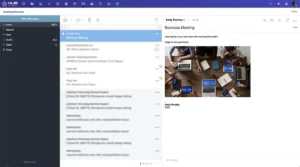
Email remains a cornerstone of professional communication. Integrating project management tools with email systems can improve efficiency, ensuring updates are not missed and tasks remain visible. Email marketing strategies, when aligned with project workflows, help teams communicate clearly without noise or excess.
However, integration carries risks if not properly managed. Poor configuration can lead to duplicated messages or lost information. Thoughtful setup and regular review are essential.
Budget and Long-Term Planning
Cost is always a concern for small teams. Free or low-cost tools can be effective, but hidden limitations may appear as teams grow. Long-term planning helps avoid costly migrations later. Choosing scalable solutions supported by secure infrastructure protects both finances and operations.
Project management is not merely a technical choice—it is a leadership decision. When done well, it brings order, clarity and accountability. When done poorly, it can create frustration and risk. By choosing tools carefully, prioritizing security and keeping people at the center, small teams can work effectively and confidently.
Project Management for Small Teams in Brief: Quick Answers
- What is project management? Project management is the practice of planning, assigning, tracking and finishing work so a team reaches its goals on time and within budget.
- What do small teams need most? Clear task ownership, simple deadlines, one shared place for files and conversations, and low setup effort.
- Do small teams need expensive software? No. A simple board or task list often works well until the team and workload grow.
- What is the biggest risk? Tool overload and poor adoption. A powerful tool that nobody uses is worse than a basic one everyone does.
- How should data be protected? Choose tools with strong access controls and consider private cloud hosting for sensitive projects.
Project Management Approaches Compared
Before comparing software, decide which way of working suits your team. The table below compares common approaches and the kind of small team each one fits.
| Approach | How it works | Strength | Best for |
|---|---|---|---|
| Task lists | Simple to-do lists with owners and due dates | Fast to learn | Teams of two to five with light workloads |
| Kanban boards | Cards move across columns such as To Do, Doing and Done | Visual and flexible | Ongoing work and support requests |
| Timeline or Gantt view | Tasks placed on a calendar with dependencies | Shows deadlines and sequencing | Projects with fixed dates and handoffs |
| Sprints | Short work cycles with review at the end | Regular progress checks | Product, web or software work |
| Wiki plus tasks | Documents and tasks live together | Keeps knowledge with the work | Teams that document processes heavily |
Popular tools generally lean toward one of these styles. Trello is known for boards, Asana for task tracking, Monday.com for timelines and Notion for flexible documents, so match the tool to the approach rather than the other way around.
How to Set Up Project Management Step by Step
- Write down your goal. Define what finished looks like for the project and who is responsible.
- Break the work into tasks. Each task should be small enough to finish in a few days and have one owner.
- Pick one tool. Choose the simplest tool that covers your approach and stick with it.
- Set naming and status rules. Agree on how tasks are titled and what each status means.
- Schedule a weekly check-in. A fifteen-minute review of blockers and priorities keeps everyone aligned.
- Centralize files and messages. Attach documents to tasks instead of scattering them across email and chat.
- Review and trim monthly. Remove unused boards, archive finished work and adjust the process.
Security and Privacy in Project Management
Project boards often hold client names, contracts, financial figures and internal plans. Treat them as sensitive systems. Use unique passwords and multi-factor authentication, give each person only the access they need and remove former team members promptly. Ask any vendor where data is stored and how it is backed up.
Teams that want more control can host collaboration tools in a private environment. Our Hub for Teams is built around this idea, and our guide to secure remote collaboration explains how to keep distributed teams connected without giving up ownership of their data.
Common Project Management Mistakes to Avoid
- Using several tools at once. Split information causes missed updates and duplicated work.
- Tasks without owners. If everyone is responsible, no one is.
- Overplanning. Detailed plans that no one updates quickly become fiction.
- Skipping retrospectives. Small teams improve fastest when they review what worked after each project.
- Ignoring workload. Track capacity so one person is not quietly overloaded.
- Choosing software before process. A tool cannot fix unclear goals or poor communication.
Small Team Project Management Checklist
- Every project has a clear goal, owner and deadline.
- All tasks have one owner and a due date.
- The team uses one shared tool for tasks, files and updates.
- A weekly check-in is on the calendar.
- Access is limited and multi-factor authentication is enabled.
- Data backups and export options have been confirmed.
- Finished projects are reviewed and lessons are recorded.
Growing From Simple Tools to a Fuller System
Most small teams begin with a simple board and outgrow it gradually. Signs that it is time to upgrade include recurring missed deadlines, difficulty seeing who is overloaded, growing numbers of clients and a need for reports. When you reach that point, review your requirements again instead of simply buying the biggest package. Look at integrations with email and calendars, permission controls, export options and pricing as the team grows. For a wider look at options, see our buyer’s guide to business collaboration tools. The Project Management Institute also offers a helpful overview of core project management concepts.
Frequently Asked Questions About Project Management
What is the best project management tool for a small team?
The best tool is the one your team will actually use. Start with your approach, such as boards, lists or timelines, then compare two or three tools that support it.
Do I need project management software for a team of three?
Not always. A shared task list and a weekly check-in can be enough. Software becomes valuable when work, clients or deadlines multiply.
How much does project management software cost?
Many tools offer free tiers, and paid plans are usually priced per user. Compare limits on users, storage and features before committing.
How do I get my team to use the tool?
Keep the setup simple, move all task communication into it, lead by example and hold a short onboarding session. Consistency from leadership matters most.
Is cloud-based project management secure?
It can be, with strong access controls, multi-factor authentication and a reliable provider. Sensitive work may justify private cloud hosting for added control.
When should we switch tools?
Switch when the current tool blocks your work, for example through missing features, poor reporting or cost that no longer fits. Plan the migration and export your data first.