Ecommerce Website Builder
Ecommerce Website Builder for Small Business
If you want to sell online without learning to code, an ecommerce website builder is the fastest way to get a store live. Liberation Site Builder includes a shopping cart, payment gateways and a product gallery on its E-Commerce+ plan, inside the same drag and drop editor used for the rest of your site. Hosting and SSL are part of the plan, and annual plans include a free domain.
This page explains what the store plan includes in an ecommerce website builder, how to decide whether a builder is the right tool, what to prepare before you start, and where a custom build makes more sense. It is written for owners who run the business themselves and want straight answers before they commit.
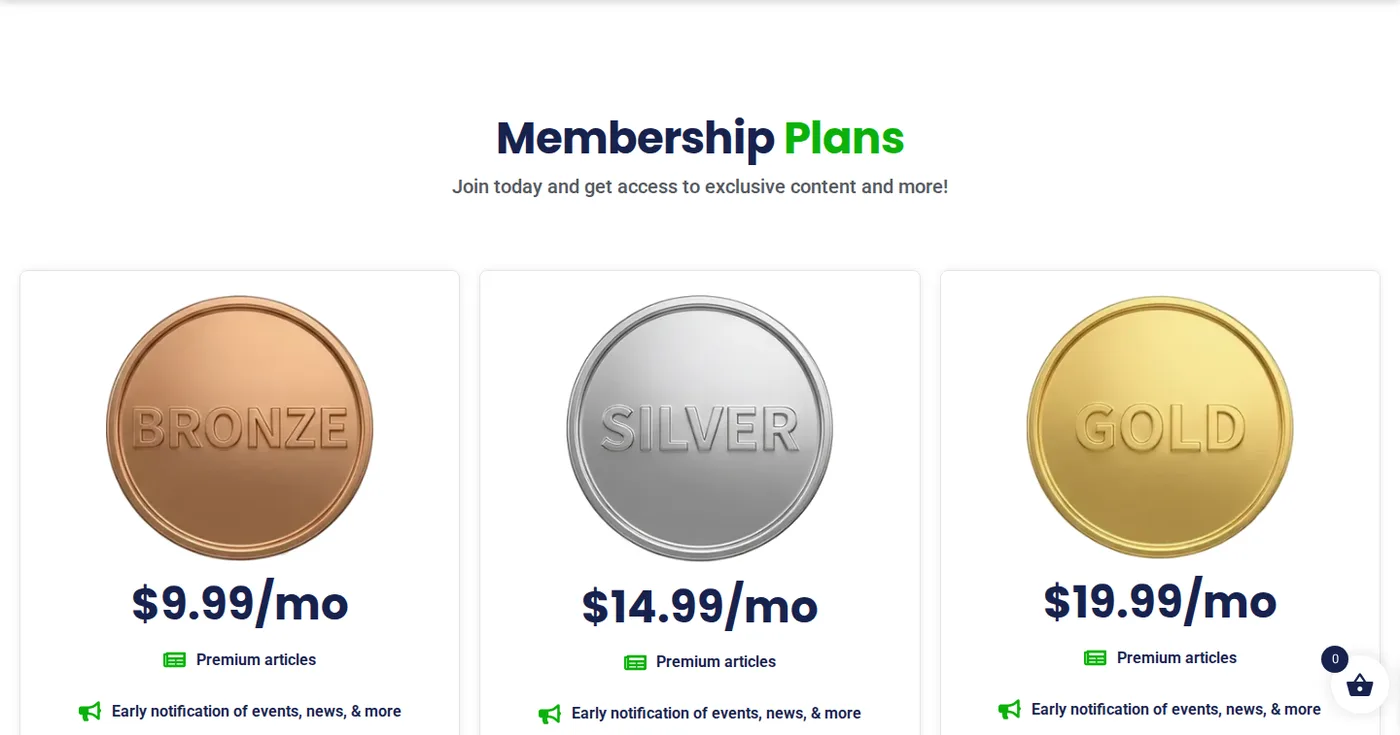
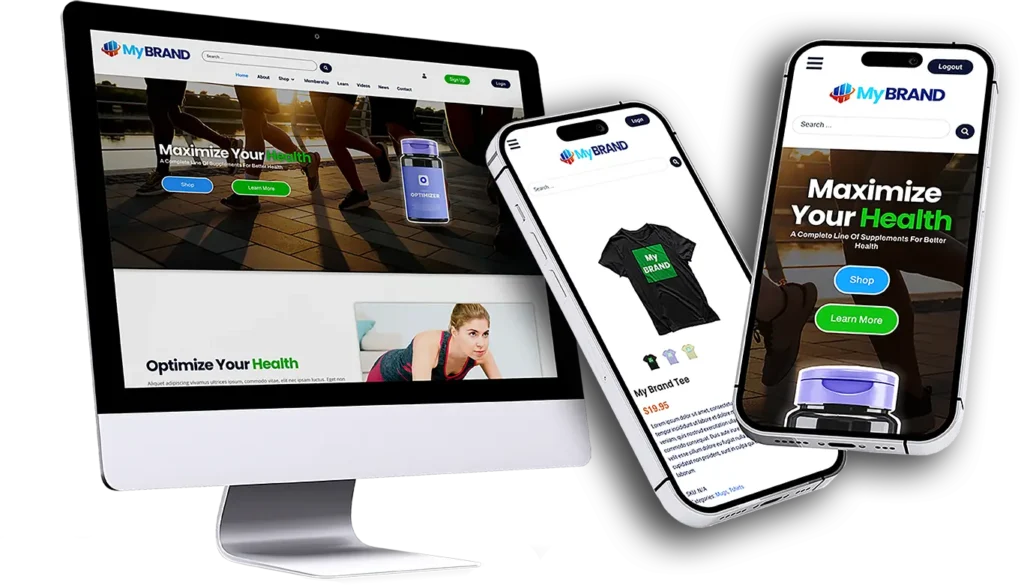
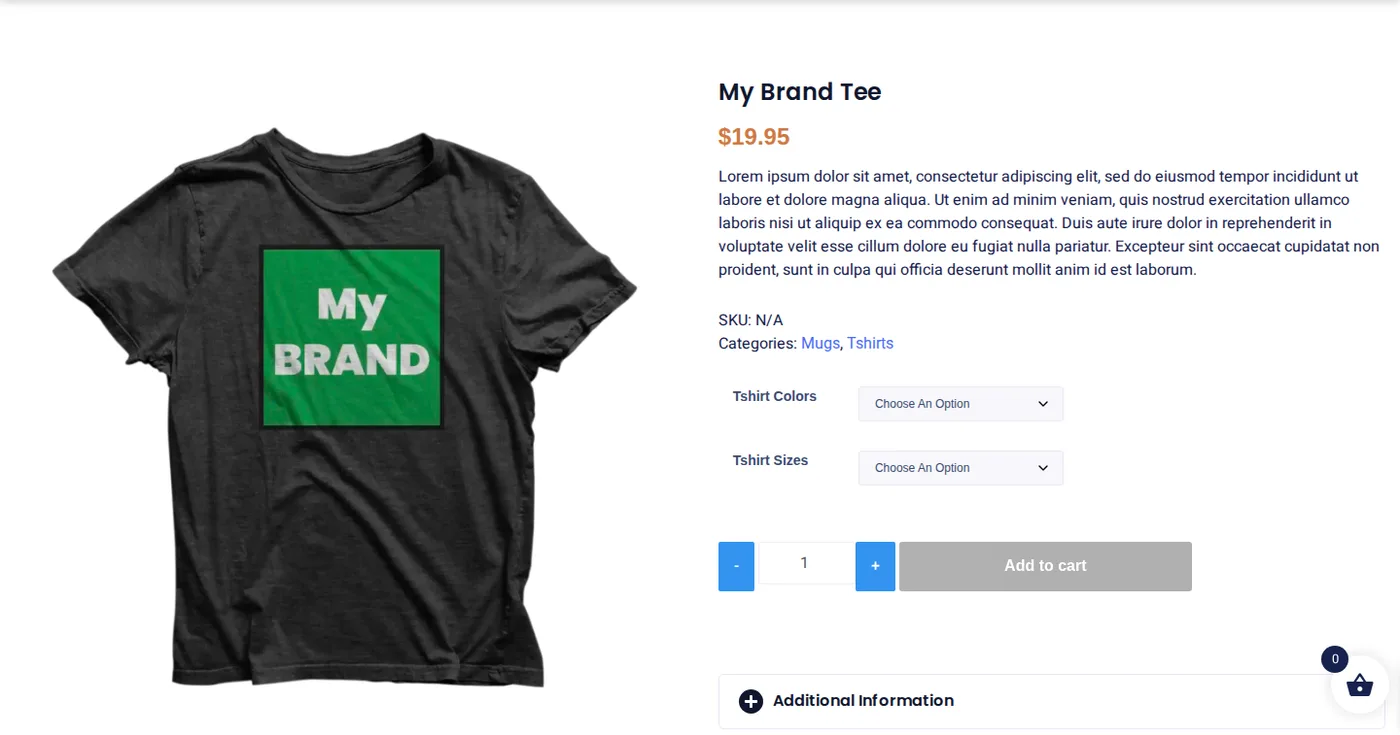
From browsing to checkout
Product grid, product page and cart in one connected store.
Open the live demo site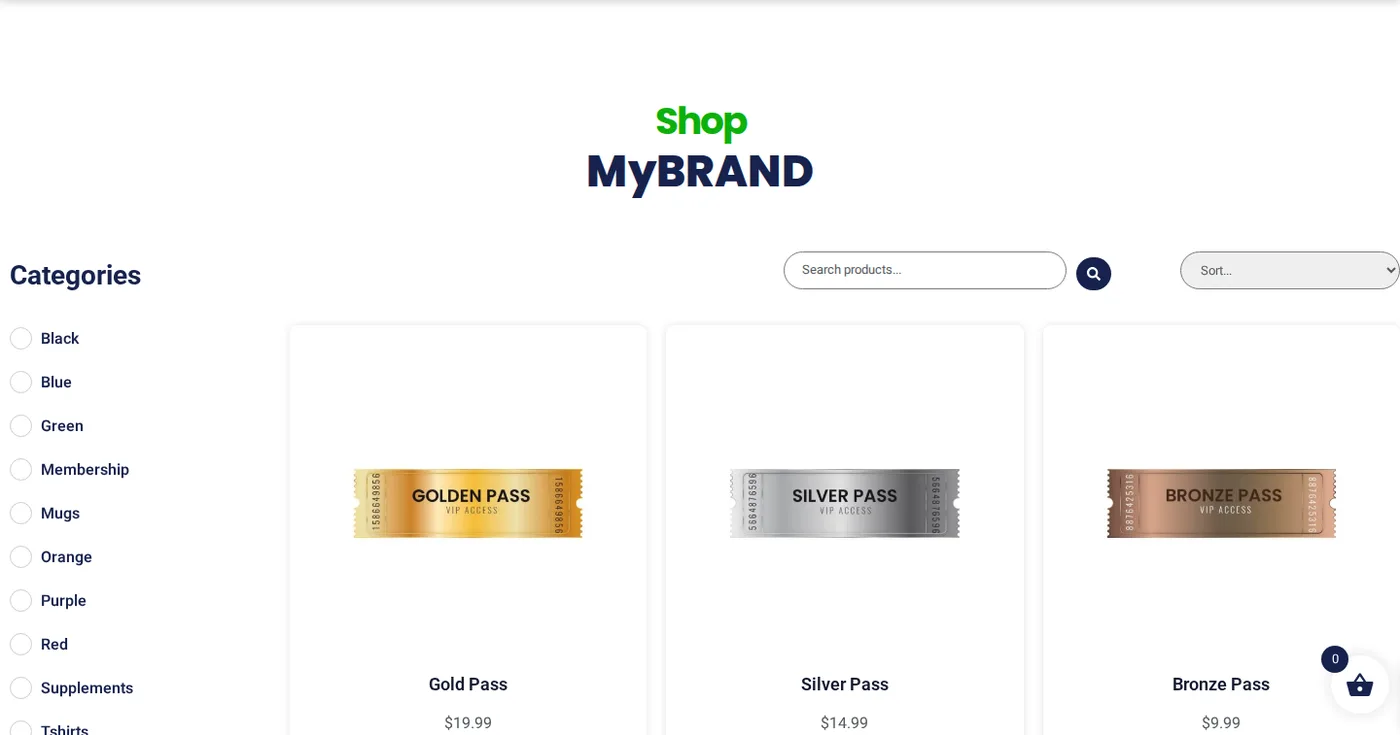
What the ecommerce website builder plan includes
The store features are documented on the Site Builder page:
- Shopping cart
- Payment gateways
- Product gallery
- Everything in the lower tiers: 200+ professional templates, 40+ widgets, forms, blogs, custom menus and multiple languages
- Responsive design, so the store works on mobile and tablet
- Shared web hosting on our U.S.-based network, with SSL included
If you are not selling yet, you do not have to pay for a store. Lower plans cover the rest of a business website, and you can move up when you are ready. That makes an ecommerce website builder a sensible starting point for a business that has a few products today and may have more next year.
Is an online store builder the right choice?
An online store builder, like any ecommerce website builder, trades unlimited flexibility for speed and simplicity. You pick a template, drag in your products, connect payments and publish. You do not need a developer for day-to-day changes, and you do not have to patch software yourself. For many small businesses that is exactly the right trade.
An ecommerce website builder tends to suit you when:
- You sell a modest number of products and can describe each one on its own page.
- You want to edit prices, photos and text yourself without waiting on someone else.
- You prefer one place to manage the site, the hosting and the domain.
- You want a store that looks right on a phone without extra design work.
A builder tends to be a poor fit when your catalog is very large, your checkout needs custom rules, or your sales model depends on subscriptions, memberships or fundraising tools. Those are the cases for a custom build, covered below.
Taking payments on your ecommerce website
A store needs a way to get paid. Liberation offers payment processing through our U.S. partner, PayHarmony, including options for industries other processors turn away. The same merchant account can take card-present, online, mobile and phone payments, so your ecommerce website and your counter report in one place. Details are on our payment processing page, and the technical side is covered in our payment gateway guide.
Rates depend on interchange plus a markup, and we quote yours in writing before you switch. There are no locked contracts. If you want to understand the account behind your checkout first, read our plain-English guide to the merchant account.
When an ecommerce website builder is enough, and when it is not
A drag and drop ecommerce website builder is a good fit for small catalogs, simple product pages and owners who want to manage the site themselves. Some businesses need more: very large catalogs, custom checkout logic, memberships, subscriptions or fundraising tools. For those, our custom e-commerce service builds a store designed around your brand, with integrations to the apps you already use.
You do not have to start over to make that move. Our web development team can take a site that outgrew the builder and keep it on the same hosting, with the same domain and the same people. If you are weighing a WordPress-based store instead, the cost and upkeep tradeoffs are laid out in our guide to the cost to build a WooCommerce store.
Own your store, not just rent it
Many hosted ecommerce platforms charge extra transaction fees on top of payment processing, and leaving them often means rebuilding from scratch. With our ecommerce website builder, your site files are yours and you can download them over FTP at any time. We do not track your visitors, sell your data or share it with third parties. To measure traffic without Google, see Liberation Analytics.
Comparing platforms? Read how our ecommerce website builder stacks up in our Wix alternatives guide, and check any competitor's current pricing page for their own fees. For a cost-focused read on bigger builds, see ecommerce: elevate your store.
When you start comparing an ecommerce website builder to a hand-coded store, think about the long run as well as launch day. A builder store is quick to change, but it works within the builder's tools. A custom store can do almost anything, but every change goes through a developer. Many owners begin in the builder to learn what their customers actually want, then decide later whether a custom build is worth it. Our team can advise on that decision whenever you reach it, and you can ask through the contact page.
Security and backups on an ecommerce website builder store
Every site gets HTTPS by default, plus daily backups and malware scanning on every plan. For stores, that matters twice: customers see the lock icon, and a bad update does not cost you your catalog. Card data is tokenized by the gateway, so it is not stored on your site.
If you later move to a larger build, our SSL certificates and backup and disaster recovery services give you more control over how the store is protected and restored. For general guidance on running a business online, the U.S. Small Business Administration publishes a business guide worth a look, and the FTC and your state have their own rules on online sales that you should read for your product type.
Build online store pages in three steps
Step 1
Choose E-Commerce+ and a template. Pick a layout that suits your products, or start from a blank canvas.
Step 2
Add products and connect payments. Use the product gallery and shopping cart, then set up a payment gateway.
Step 3
Preview and launch. Check the store on phone and tablet, connect your domain and publish.
Under the hood, a first store is mostly a handful of repeatable tasks. You add each product with a title, price, photos and description. You decide how shipping and tax will be shown. You connect a payment gateway so the cart can take a card. Then you test the whole path as a customer would. If you want to build online store pages in an evening and refine them over the following weeks, the builder is designed for that pace, and our team is available if you get stuck.
Moving from another platform? Our team transfers content from most builders, including Shopify, Wix, Squarespace, GoDaddy and WordPress. See migration services. Product data and store settings vary by platform, so send us details of your current store and we will tell you what can move.
Ecommerce website builder: talk to an engineer.
See ecommerce website builder plansWhat to plan before you pick an ecommerce website builder
The software is the easy part of running an online shop, whichever ecommerce website builder you choose. Before you pick a template, work out the pieces around it:
Products and photos.
Clear photos and honest descriptions do more for sales than any layout.
Shipping and returns.
Decide your policies before launch so you can publish them on the site.
Payments.
Know your expected volume and average sale so you can compare processing quotes.
Traffic.
A store needs visitors. Plan for search, email and social from day one.
If you already send email, our email marketing platform supports automated sequences for abandoned carts, post-purchase follow-up and win-back campaigns.
Ecommerce platform or ecommerce website builder?
The two terms overlap, and the difference matters when you compare options. An ecommerce platform is the broad category: any software that lets you list products, take orders and manage fulfillment. An ecommerce website builder is a platform packaged for people who are not developers, with templates, a visual editor and hosting handled for you. Self-managed platforms such as WordPress-based stores give you more control and more upkeep. Hosted platforms give you less upkeep and less control.
When you evaluate any ecommerce platform, ask who owns the site files, what you pay beyond the monthly plan, how easily you can export your content, and what happens if you want to leave. A good ecommerce platform should not make leaving painful. If you are also weighing a WordPress route, our WordPress versus website builder comparison walks through the tradeoffs.
A launch checklist for your ecommerce website
Run through this list before you announce the store. Most problems that cost a new shop its first customers are on it.
- Every product has at least one clear photo, a plain description, a price and a stated shipping option.
- You have placed a test order from a phone and from a computer and confirmed the confirmation message arrives.
- Your shipping, return and privacy policies are written and linked from the footer.
- Contact details are visible, including a real email address and a way to ask a question before buying.
- Page titles and descriptions are filled in, so search engines show something sensible. The SEO tool can help you check them.
- Your domain is connected and the site loads over HTTPS without warnings.
- You know where order notifications go and who is responsible for fulfilling them.
Common mistakes when you build online store pages
Most problems with an ecommerce website builder store are not technical. They come from skipping decisions that feel small until the first customer asks.
Too many products too soon.
Launching with fewer items that are described well beats a long catalog of thin pages.
Hidden costs at checkout.
Surprise shipping or tax is a common reason shoppers abandon a cart. Show costs early.
Ignoring mobile.
Many shoppers browse on a phone. Preview every key page on a small screen before launch.
No plan for traffic.
A finished store is not a marketed store. Decide how people will find you.
Never reviewing payment costs.
The processing rate is a running cost. Look at your statement a few months in and ask questions.
Questions to ask before choosing an ecommerce website builder
Put these to every provider you consider, including us, and get the answers in writing:
- What does the store plan cost per year, and what is included in that price?
- Are there fees on each sale beyond the payment processing rate?
- Can I export my site files and product information if I leave?
- Where are the servers, and who can see my customer and visitor data?
- Who do I contact when something breaks, and how quickly will they answer?
- If the store grows, is there a path forward without starting over?
Our answers about our online store builder are on this page and on the Site Builder page. Anything not documented there, we will answer directly rather than guess.
Who this ecommerce website builder suits
A store on Site Builder tends to work well for a local retailer adding online ordering, a maker or artist selling a limited line, a service business selling a few packages, or an organization selling merchandise. In each case the owner wants to build online store pages without hiring a development team, and wants hosting, SSL and support from one U.S.-based company. If your plans are more ambitious, such as selling thousands of items or building a membership program, start with a conversation about scalable e-commerce design so the first build does not box you in.
Seasonal sellers can also read our notes on holiday ecommerce strategy and the ecommerce metrics that matter, which cover what to watch once the shop is live.
How the store fits the rest of your website
A store built with an ecommerce website builder is rarely the whole site. You will usually want an about page, a blog, a contact form and pages that explain how ordering works. Because the store plan sits on the same ecommerce website builder as the lower tiers, those pages share one design, one menu and one login. Business email on your own domain, such as business email, keeps customer messages professional and in your control. For help bringing in visitors beyond search, see our marketing services.
Not sure what to budget? The savings calculator is a quick way to compare what you pay now with what a Liberation setup might cost, and our team will answer questions on the contact page. If you are still comparing options, the website builder page lists the plans side by side.
Ecommerce Website Builder FAQs
Which Site Builder plan includes the online store?
The E-Commerce+ plan adds the shopping cart, payment gateways and product gallery. The Starter and Ramping Up plans cover everything else, including forms, booking, blogs and multiple languages, so you only move to the store plan when you are ready to sell online.
How do I accept payments in my online store?
Site Builder includes payment gateway support on the E-Commerce+ plan. Liberation also offers payment processing through our U.S. partner PayHarmony, with one merchant account for online, in-person, mobile and phone payments. Your rate is quoted in writing before you switch.
Does Site Builder charge transaction fees on sales?
We have not documented any Site Builder transaction fee, but payment processing has its own cost: interchange plus the processor’s markup. We quote that markup in writing. Ask for a statement review so you can compare it line by line with what you pay now.
Can I move my store from Shopify or another platform?
Our team transfers website content from most builder platforms, including WordPress, Wix, GoDaddy, Squarespace and Shopify. Product data and store settings vary by platform, so contact us with details of your current store and we will tell you what can move.
What if my store outgrows the builder?
You do not have to start over elsewhere. Our development team can build a custom store on the same hosting, with the same domain, and our e-commerce service covers larger catalogs, memberships, subscriptions and integrations. Ask us about your catalog size and we will recommend a path.
What Our Customers Say
★★★★★ Rated 4.9/5 on Google and 4.7/5 on Trustpilot
Related Services
Our Promise Of Digital Independence
Liberating Your Digital World Is Our Passion
- U.S.A. owned and based
- We own and control our entire platform
- More security to protect your data
- No Censorship Guarantee
- 100% data ownership
- Your data is NEVER shared
Liberation News





LTS News

Global Edge Network
Liberation’s global edge network provides enhanced performance & security.
Freedom Tech News
Stay informed on the latest tech news, new products, promotions, & more!