

A Rebuild, Not A Copy
Shopify Alternative: A Store You Own, Without Per-Order Fees
Shopify alternatives are worth comparing on total cost. Shopify is a capable platform, and we are not going to argue otherwise. What the plan price does not include is the card-processing rate stacked on every online order — 2.9% + 30¢ on the Basic plan, down to 2.25% + 30¢ on Plus — plus the separate paid apps most stores end up running for features that would just be included elsewhere. There is also no standard export: Shopify does not hand you a file you can move to another platform the way a WordPress site can.
Moving off Shopify means rebuilding your site on WordPress to match your existing pages and content, then pointing your domain at it. LiberationTek runs that rebuild on hardware we own in the United States, on a flat hosting price with no per-order fee. Shopify prices checked September 2026.
Moving from Shopify to Liberation
We handle the move so you can keep working.
“A year ago, I decided to migrate my website to their hosting platform in order to move away from big tech, and gradually, moved all of my domains over. Customer service is 5 stars. You get a one-to-one relationship as well as fast, friendly and knowledgeable service.”
Donna Gentile · Google review
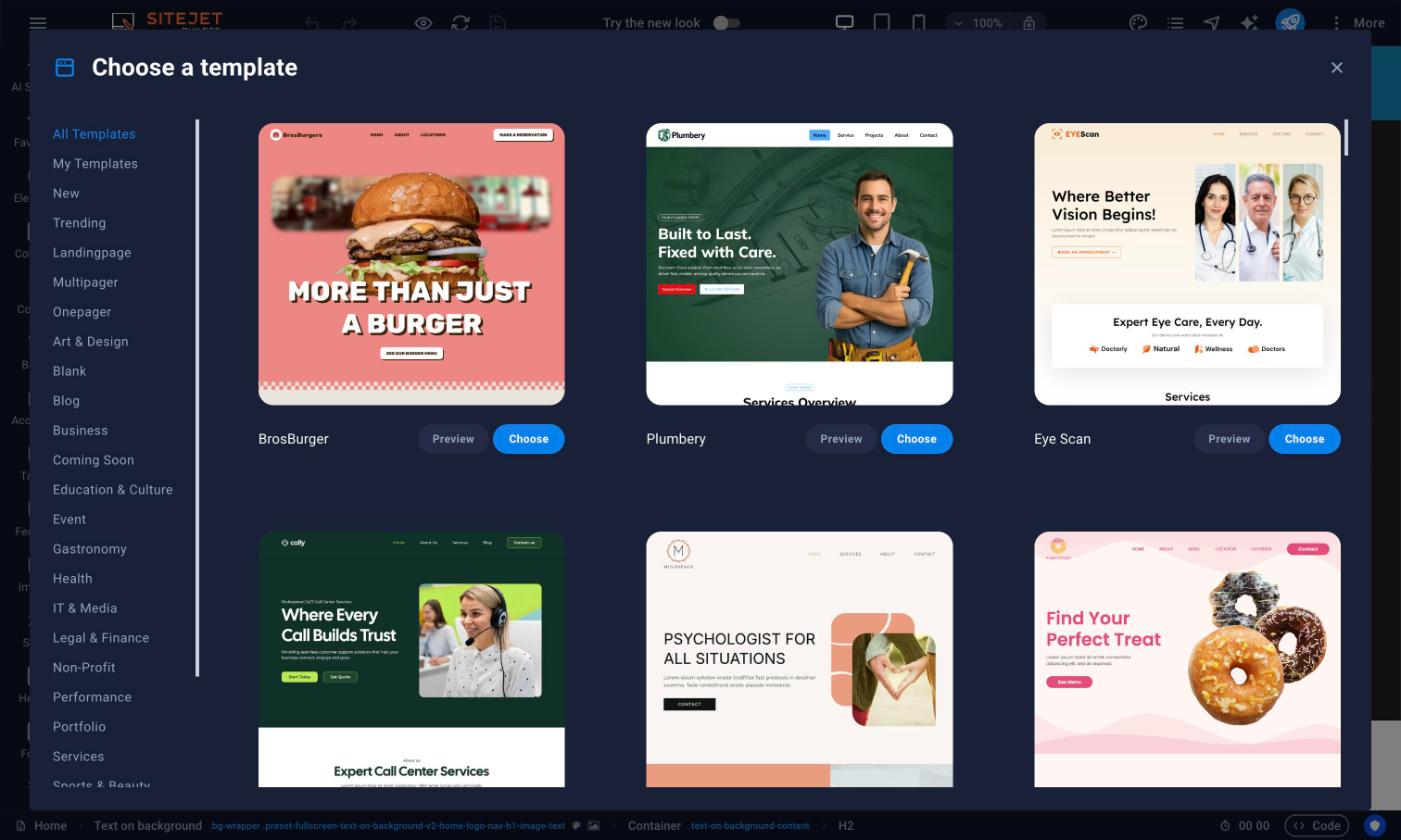
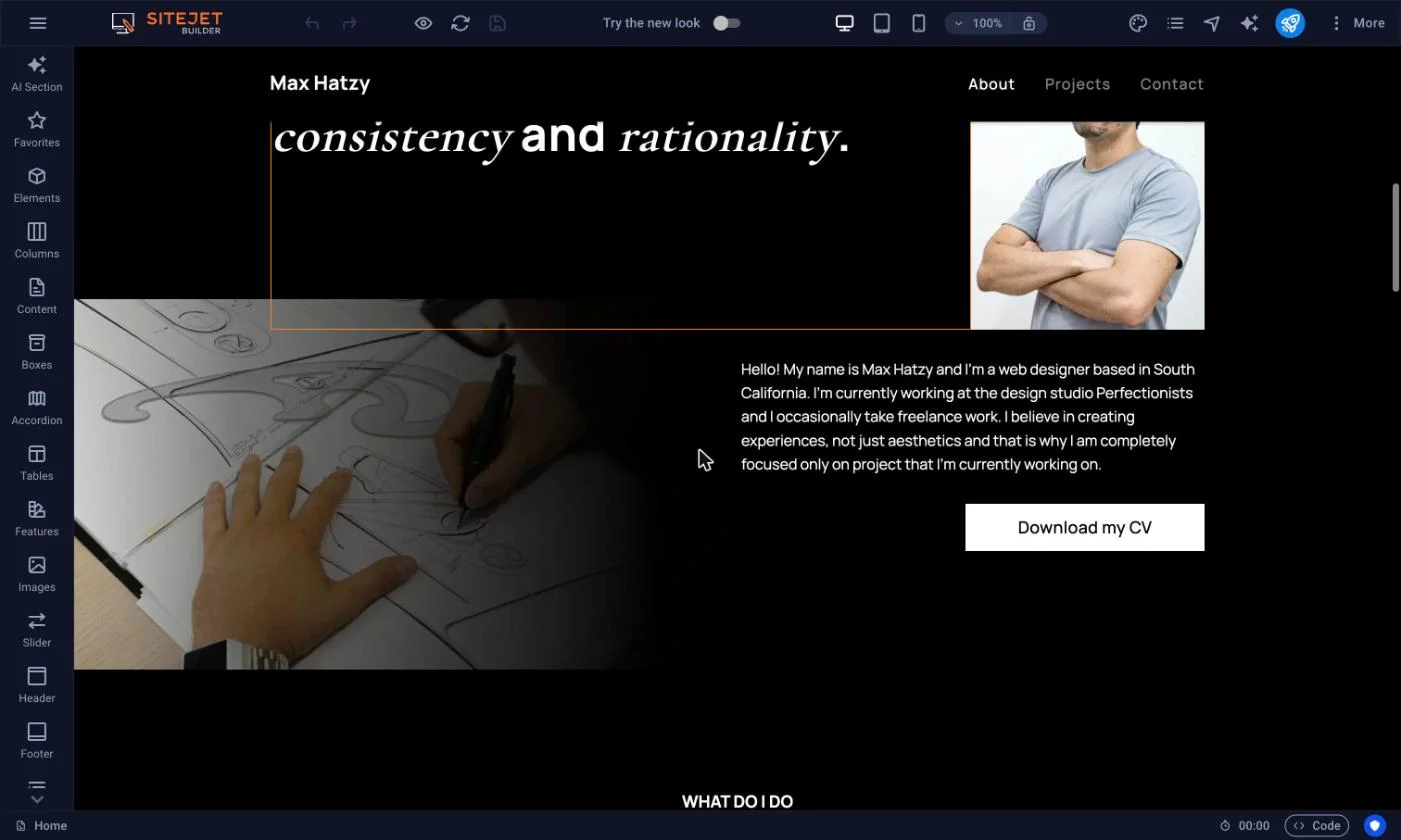
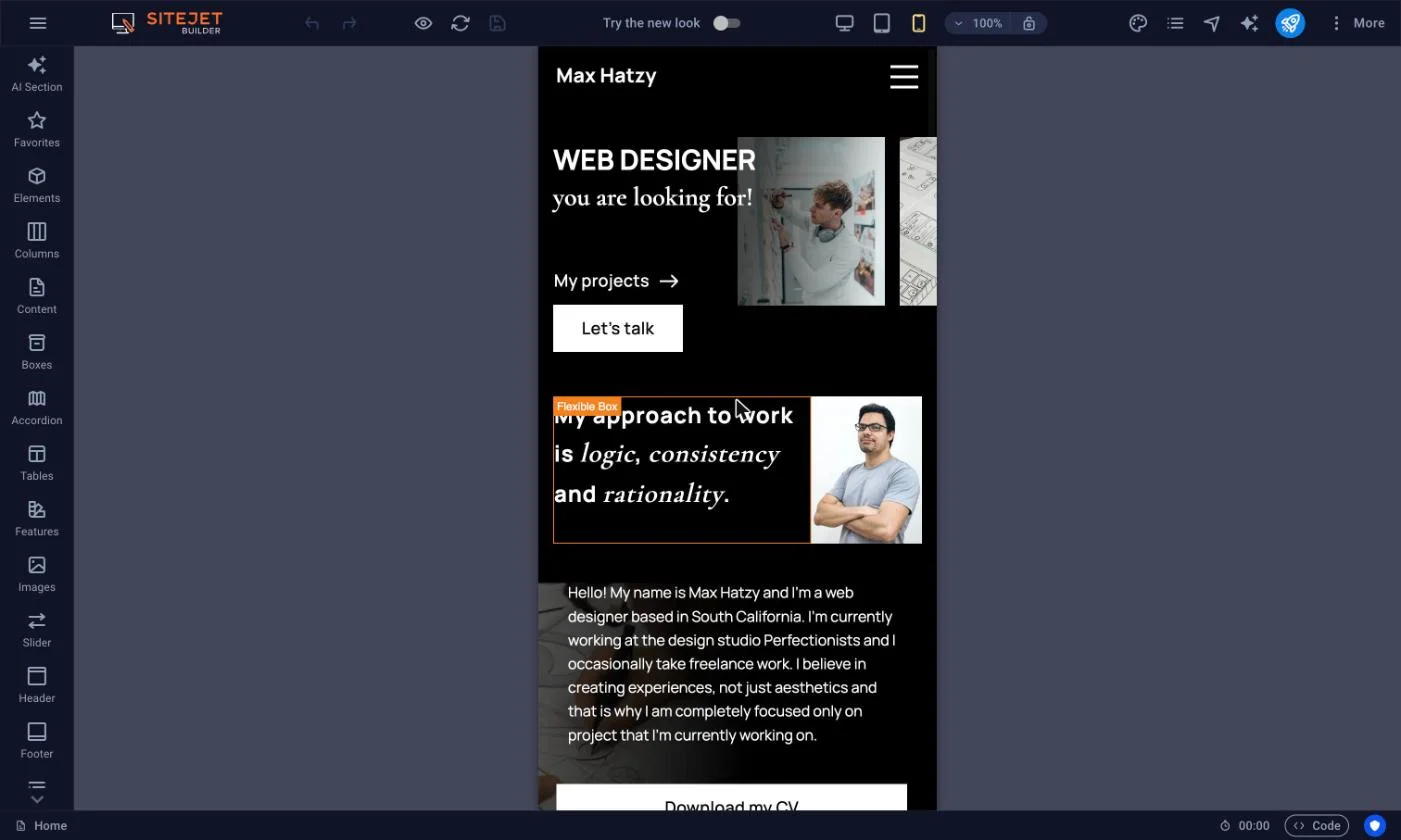
See the Liberation Site Builder in action
Start from a template, edit on the page, and check desktop and mobile before you publish.
What You Get With This Shopify Alternative: The Difference
A Platform You Actually Own
WordPress content lives in a standard database you can export or move again whenever you want. Shopify store data does not export the way a WordPress site does — there is no single file that hands you your storefront on another platform.
No Per-Order Fee On Your Bill
Liberation hosting is a flat monthly price. Shopify adds a card-processing rate on top of every online order — 2.9% + 30¢ on Basic down to 2.25% + 30¢ on Plus, more if you do not use Shopify Payments.
Servers We Own, In The United States
Your site runs on hardware LiberationTek owns and operates in the U.S. — not leased capacity, never subject to foreign data-sharing laws. We do not track, sell or share your data or your activity, and we do not remove sites over lawful speech.
A Fixed Quote Before We Start
Because leaving Shopify is a rebuild rather than a copy, we look at your current store first and give you a fixed quote, not an open-ended hourly estimate.
Security And SEO Are In The Plan
Site security and an SEO tool are included on every plan, along with a free SSL certificate and a free domain on an annual term or longer. They are not add-ons revealed at checkout or upsells that appear once your site starts getting traffic.
People Who Answer
You get U.S.-based support from a small team, not a queue. Our customers routinely mention being walked through problems personally and hearing back quickly — which is the part that actually matters when a site is down and you are not a sysadmin.
What Shopify’s Plans Actually Cost
Shopify’s published annual pricing, and the card-processing rate stacked on top of every online order. Figures are published on shopify.com and were checked in September 2026.
Plan | Billed annually | Online card rate |
|---|---|---|
Basic — 1 staff account | $29/mo | 2.9% + 30¢ |
Grow — 5 staff accounts | $79/mo | 2.7% + 30¢ |
Advanced — 15 staff accounts | $299/mo | 2.5% + 30¢ |
Plus — enterprise | from $2,300/mo | 2.25% + 30¢ |
- Fixed-Quote Rebuild — Shopify has no standard export, so moving your store is a scoped rebuild with a fixed price, not a one-click migration.
LiberationTek vs. Shopify
Two very different platforms side by side. Shopify figures are the company’s own published rates, using Shopify Payments.
Feature | LiberationTek | Shopify |
|---|---|---|
Platform | WordPress — a platform you own | A closed platform you rent by the month |
Store data if you leave | WordPress database, exportable anytime | No standard site export; product/order data only as CSV |
Per-order fee | None — flat hosting price | 2.25% – 2.9% + 30¢ per online card transaction |
Monthly cost starts at | $35/mo hosting | $29/mo (billed annually), plus per-order fees |
Extra features | Security and SEO tool included on every plan | Many features require separate paid apps |
Rebuild/migration | Fixed quote, matched to your existing site | No built-in migration path off the platform |
Support | U.S.-based Liberation team | Shopify support |
What Customers Say After Switching
Real customer reviews. LiberationTek is rated 4.9 out of 5 on Google and 4.7 out of 5 on Trustpilot (September 2026).
Liberation Shared Hosting Plans
Plan | Built for | Included | Price |
|---|---|---|---|
Starter | Brochure sites, small business apps, low-traffic WooCommerce | 2 websites · 10 GB NVMe · cPanel · SSL · security · SEO tool | $7.99/mo on a 3-yr term |
Ramping Up | Growing sites, agencies, line-of-business apps | 5 websites · 20 GB NVMe · cPanel · SSL · security · SEO tool | $9.99/mo on a 3-yr term |
Growth | Ecommerce, heavier WordPress, multi-site, light CRM/ERP | 9 websites · 40 GB NVMe · cPanel · SSL · security · SEO tool | $13.99/mo on a 3-yr term |
Leave Shopify In 4 Steps
1. Tell Us What You’re Running
Send us your current Shopify store URL and a look at your catalog and pages. We’ll scope what a rebuild involves and give you a fixed quote.
2. We Rebuild It For You
Every page, product listing and piece of content is catalogued, then recreated on WordPress to match your existing design and content — not a generic template.
3. We Test Before Cutover
The new site runs at a temporary address while your Shopify store keeps serving live traffic. You review it before a single visitor is affected.
4. Point The Domain And Go
We update DNS, issue SSL and watch the first 48 hours. Then you can let your Shopify plan lapse.

Get Started
By Transferring Your Website
Liberation can transfer your website content from most site builder platforms.





Shopify Alternative: Common Questions
No — Shopify does not offer a standard export, so the move is a rebuild that matches your existing pages and content, not a file copy.
A typical brochure or small catalog site takes one to two weeks. Larger or more complex stores take longer, and we’ll give you a specific timeline after reviewing your site.
Shopify-specific apps get a WordPress equivalent where one exists. Anything that needs a different approach gets flagged before we start.
No — because it’s a rebuild rather than a copy, it’s quoted based on your site’s size and complexity, not included free the way a standard WordPress migration is.
You can export your Shopify product, order and customer data as CSV files from your Shopify admin before we begin, and we bring that catalog into the rebuilt WordPress site.
Yes — Liberation hosting is a flat monthly price with no percentage taken from your sales. If you sell online, you’ll still need a payment processor of your own, which has its own transaction rate, but there is no platform fee stacked on top of it the way Shopify’s is.
On hardware LiberationTek owns and operates in the United States — not leased capacity, and not subject to foreign data-sharing laws.
Keep Reading
More comparisons: Resources · Backup & disaster recovery · Migration services · InMotion Hosting alternative · GoDaddy alternative · Wix & Squarespace alternative · HostGator reseller alternative · InMotion reseller alternative · DigitalOcean alternative · Linode alternative · Vultr alternative · DigitalOcean vs. Linode vs.
Vultr · AWS alternative · Google Workspace alternative · Microsoft 365 alternative · Gmail alternative · Slack alternative · Zoom alternative · Proton Mail alternative · Private email providers · Mailchimp alternative · Constant Contact alternative · SiteGround alternative · Outlook alternative · Bluehost alternative · WP Engine alternative · Zoho Workplace alternative · All comparisons
Shared hosting plans · Site Builder · Fully managed VPS · Transfer your website
Sources: SiteGround web hosting plans, terms and renewal prices, checked September 13, 2026. LiberationTek prices are list prices on this site.
Why businesses look at Shopify alternatives
If you are comparing Shopify alternatives, you are probably reacting to one of three things: per-order card-processing fees on top of the monthly plan, paid apps that quietly raise the bill, and no simple way to take your store with you if you leave. Liberation builds stores on WordPress and WooCommerce, hosted on flat-rate servers, so you own the site, the customer list and the data. This page explains where the costs come from and how the options compare.
What to compare in a Shopify alternative
Start with the total monthly cost, not the headline plan price. Add the processing rate, any extra per-order fee when you use an outside payment gateway, and the apps you need for reviews, subscriptions or shipping. Then ask whether you can export your products, customers and order history in a standard format. Many hosted store builders make that last part hard, which is what locks a business in.
Next, look at control. A store on your own hosting lets you choose your payment processor, install any plugin, and move to a different host without rebuilding. With a hosted platform you accept the rules, the checkout and the fee schedule that come with it.
How WordPress and WooCommerce compare
WooCommerce is the most widely used open-source store platform. It runs on WordPress, so your blog, pages and products live in one place, and you are not charged a percentage of every sale for using it. You pay for hosting, a payment processor of your choice, and any premium extensions you decide to add. Liberation handles the setup, security updates and backups, so the technical side is not your problem.
You can read the official WooCommerce documentation to see what the platform includes before you decide, and we will walk you through the same features on a call.
What moving off Shopify involves
A move starts with an export of your products, customers and orders. We import them into WooCommerce, rebuild your theme and checkout, connect your payment processor and test a full order before anything goes live. Your Shopify store stays online the whole time, and we schedule the switch of your domain at a time that suits you, so there is no downtime for shoppers.
Your domain stays yours. You can keep it registered where it is and point it to us, or transfer it. Email on your domain is not affected by the move, and we can also move your mailboxes to Liberation Email if you want everything in one place.
What Shopify alternatives cost with Liberation
WordPress hosting for a store starts at $35 per month with no percentage of sales taken by us. Your only per-order cost is whatever your chosen payment processor charges. We give you a written quote before any work starts, so you know the total up front.
Ready to compare? See our migration services, or book a call and we will price your store against the platform you use today.
The questions that actually separate the options
Comparisons of store platforms turn into feature tables, and a feature table is the least useful way to choose one. Every serious option in this category can list products, take a card and work out shipping. The differences that matter show up two years in, and none of them appear in a grid.
The first is who owns the storefront. On a hosted platform you are renting a store that exists inside somebody else’s account: if the subscription lapses the store is gone, and if the terms or pricing change you have no option but to accept. On a self-hosted store the files and database are yours and can move to any host. That is not a small distinction — it is the difference between an asset and a tenancy.
The second is payments. A platform that provides its own payment processing makes leaving expensive, because stored cards and active subscriptions do not travel and customers have to enter their details again. If you think you might ever change platforms, using an independent payment processor from the start is what keeps that option open.
The third is where the cost goes as you grow. Hosted platforms commonly charge a monthly fee, plus a percentage of each transaction, plus app subscriptions — so your bill scales with your revenue whether or not your costs did. A self-hosted store charges for hosting and your own time instead. Neither is automatically cheaper; which one wins depends on your margin and your order volume, and it is worth doing that arithmetic with your own numbers rather than accepting either side’s claim.
What we would tell you honestly: if you sell a modest catalogue and want no maintenance, a hosted platform is a reasonable choice and we will say so. If you want to own the store, control the checkout and avoid per-transaction fees, WordPress with WooCommerce on managed hosting does that and we maintain it for you. Book a call with your order volume and average margin and we will work out which actually costs you less.